
When Should You Use Agile?
Use agile when learning during the work matters.
That is the simplest answer. Agile helps when the team cannot know everything up front, when customers or stakeholders will learn by seeing early versions, or when the solution will become clearer only after the team starts building.
Some work is predictable enough that a more sequential approach is fine. If the team has done the work many times before, the steps are well understood, feedback is unlikely to change much, and the risk of learning late is low, agile may add more overhead than value.
The useful question is whether the work in front of you would benefit from shorter feedback cycles, smaller increments, cross-functional teamwork, and regular adaptation.
Who This Page Is For
This page is for people who are new to agile and want to understand when agile is worth using. It is also useful for leaders, product owners, Scrum Masters, managers, stakeholders, and team members who are deciding whether a team should use Scrum, Kanban, another agile approach, or something simpler.
What This Page Covers
This page explains the conditions that make agile useful, the kinds of work that may not need agile, and how to think about uncertainty, feedback, novelty, complexity, and urgency. It also gives you a practical way to decide whether agile is a good fit for a project, product, or team.
Start with the Type of Work
Some work is defined. The steps are well understood, the inputs are clear, and repeating the same process produces a similar result. If two people follow the same clear recipe for making the same sandwich, the results will probably be close enough. Defined work benefits from consistency, standardization, and clear procedures.
Product development is usually different. The team may know the goal, but not the best way to achieve it. Users may not know what they want until they see something. Stakeholders may disagree about what matters most. Technical risks may appear only after the team tries an approach.
That kind of work is empirical. The team needs to make progress, inspect what is happening, and adapt based on what it learns. Agile approaches are built for that type of work.
Use Agile When the Work Is Complex
Agile is useful when the work has enough complexity that the team cannot simply write down all the steps in advance and follow them.
Software development is a common example. Even when the team knows the general problem, there may be uncertainty about design, integration, performance, usability, security, architecture, stakeholder priorities, or how users will respond. The more those things interact, the less reliable a purely upfront plan becomes.
Complexity does not mean the team should avoid planning. It means the team should plan in a way that expects learning. A good agile team plans enough to move forward, then uses feedback to improve the plan.
Use Agile When the Work Is Novel
Agile is also useful when the work is new, or at least new to the team doing it. Novel work carries more unknowns. The team may not have done this type of product before. The customers may be new. The technology may be unfamiliar. The market may be changing. The team may be trying an approach it has not used before.
If the team has done the same kind of work many times, it probably has enough history to plan more predictably. If the work is new, history is less helpful. The team needs feedback to learn what will work.
Novelty alone is not enough, though. A lunch order can be novel without needing Scrum. If I order something at a restaurant “triple extra spicy with jalapenos,” that may be the first time the cook has made that exact dish. But the work is still not complex enough to need an agile approach. The cook can handle the variation inside an otherwise well-understood process.
Agile becomes more useful when novelty is combined with complexity and the need to learn quickly.
Use Agile When Feedback Will Change the Product
Agile helps when feedback is likely to change what should be built.
That feedback might come from customers, users, stakeholders, support people, salespeople, testers, the market, or the product itself. A team may discover that users ignore a feature everyone expected to matter. Stakeholders may realize after seeing a working version that they need something different. A technical experiment may reveal a simpler solution.
If feedback will not change much, the team may not need agile. If feedback is likely to change direction, a long upfront plan becomes riskier.
Agile shortens the time between making a decision and learning whether that decision was good. That is one of its biggest advantages. It helps teams learn before mistakes become too expensive.
Use Agile When the Cost of Learning Late Is High
Some mistakes are cheap if found early and expensive if found late.
A misunderstanding about a workflow might be easy to fix after one Sprint and painful after six months. A performance risk might be manageable if discovered early and disastrous if discovered near release. A feature that users do not value may be a useful lesson if the team built a small version and a large waste if the team built the whole thing.
Agile reduces the cost of learning by creating earlier feedback. The team does not wait until the end to find out whether the product is useful, usable, technically sound, or aligned with stakeholder expectations.
This is why agile is so often useful for product development. The team is not just executing a known plan. It is learning what the plan should become.
Use Agile When There Is Real Urgency
Urgency can make agile more valuable. When a deadline matters, the team needs focus. Short iterations, smaller Product Backlog items, visible progress, and frequent review can help everyone see what is happening and make better tradeoffs. Agile can help a team avoid spending too much time perfecting a large plan before learning whether the plan is right.
But urgency alone is not enough. Plenty of urgent work does not need agile. A restaurant can handle a rush without creating a Sprint Backlog. A routine operational task can be urgent without needing Scrum.
Agile is most useful when urgency is combined with complexity or novelty. The team needs to move quickly, but it also needs to learn while moving. That is where short feedback cycles help.
Use Agile When Stakeholders Will Stay Engaged
Agile works best when stakeholders are willing to participate before everything is finished.
That can be a big change. In a sequential approach, stakeholders may give input at the beginning and then wait for delivery. In agile, stakeholders are expected to inspect progress, give feedback, clarify priorities, and help make tradeoffs throughout the work.
If stakeholders are unavailable or unwilling to engage, agile becomes harder. The team may still work in short cycles, but it will not get the feedback needed to make those cycles valuable.
Before choosing agile, ask whether the people who care about the result are willing to participate often enough to help the team learn.
Use Agile When a Cross-Functional Team Can Own the Work
Agile works best when a team has enough skills to turn an idea into useful progress without long handoffs.
That does not mean every team member needs every skill. Specialists still matter. A tester does not need to become a database administrator, and a database expert does not need to become a designer. But the team needs enough shared ownership and cross-functional collaboration to move work from idea to usable increment.
If the work must pass through separate departments one phase at a time, agility will be limited. The team may have Sprints, but the feedback loop will still be slow.
Agile is a better fit when the organization can give a team a goal, a backlog, access to the right skills, and enough authority to make many day-to-day decisions close to the work.
When Agile May Not Be Needed
Agile may be unnecessary when the work is routine, repeatable, low uncertainty, and unlikely to benefit from frequent feedback.
For example, a team performing a routine upgrade it has done many times before may not need Scrum. A project with stable requirements, familiar technology, little stakeholder disagreement, and low cost of change may be handled well with a simpler plan. A compliance task with clear rules and little product discovery may not need the full rhythm of agile events.
Agile might still work in those situations, but the extra structure may not be worth it. Use enough process to manage the work well, but not more than the work requires.
Be Careful with Partial Agile
Many organizations try to get the benefits of agile while keeping the structure of Waterfall. They work in short cycles but keep analysis, design, coding, and testing as separate phases. Each story becomes a miniature project that waits for detailed analysis, then design, then development, then testing.
That is often iterative Waterfall. It may be a step toward agility, but it is not the same as getting the full benefit of agile. The team still learns late. Handoffs still slow progress. Feedback still arrives after many decisions have already been made.
If you choose agile, choose it because the team needs shorter feedback loops and more collaboration. Compressing the old phases into shorter timeboxes will not be enough.
A Practical Way to Decide
A useful way to decide whether agile fits is to look at three factors: complexity, novelty, and urgency.
| Factor | What To Ask | Why It Matters |
|---|---|---|
| Complexity | Is the work difficult enough that we cannot know all the steps up front? | Complex work benefits from inspection and adaptation. |
| Novelty | Is this new to the team, the organization, the market, or the technology? | Novel work carries unknowns that feedback can reduce. |
| Urgency | Do we need focused progress and early learning? | Urgency makes shorter cycles and visible tradeoffs more valuable. |
Agile is usually a strong fit when all three are high. It can still be useful when two are high. When all three are low, a simpler approach may be enough.
Do not treat this as a formula. Use it as a conversation. The point is to understand how much learning the work requires and how expensive it would be to learn late.
Examples of Good Agile Candidates
A new software product is usually a good agile candidate because the work is complex, the solution is uncertain, and feedback from users or stakeholders will change what should be built. A product redesign can also be a good fit if the team needs to learn how customers respond to new workflows, new messaging, or new capabilities.
Agile can also help outside traditional software development when the work has the same characteristics. A team planning a large event for the first time may face a fixed date, many dependencies, stakeholder preferences, budget constraints, and decisions that become clearer over time. The work may not be software, but it still includes novelty, complexity, and urgency.
Agile is less compelling when the work is truly repeatable. If the team has done the same thing many times, knows the steps, and expects little meaningful feedback, a lighter process may be better.
Choose an Agile Approach That Fits
Deciding to use agile does not automatically mean choosing Scrum.
Scrum is often useful when the team benefits from a Sprint Goal, short planning cycles, a Product Owner, and regular opportunities to inspect the product and improve the process. Kanban can be useful when work arrives continuously, priorities change frequently, or the team wants to improve flow without adopting the full Scrum framework.
Some teams benefit from Scrum with XP engineering practices. Some benefit from Kanban with strong product ownership. Some use a hybrid approach.
The name matters less than the fit. Choose the approach that helps the team deliver value, learn from feedback, adapt, and improve.
Common Mistakes
Using Agile Because It Sounds Modern
Agile is not a badge. Use it because the work benefits from feedback, adaptation, and shorter learning cycles. If the work is predictable and repeatable, agile may not add much.
Using Waterfall Because It Feels Safer
A large upfront plan can feel safer because it creates the appearance of certainty. That certainty may be false if the team still needs to learn what users want, what technology will work, or which tradeoffs matter.
Ignoring Stakeholder Availability
Agile needs feedback. If stakeholders are not willing to review progress, answer questions, and make tradeoffs, the team will struggle to get the value agile is meant to provide.
Assuming Agile Means No Planning
Good agile teams plan frequently. They plan in smaller cycles and update the plan as they learn. If your organization needs forecasts, dates, and tradeoffs, agile can help. It should not be used as an excuse to avoid planning.
Treating Every Project the Same
Different work needs different approaches. An urgent, novel, complex product effort may need agile. A routine implementation may not. One organization may need both approaches in different places.
Should This Work Use Agile?
Use these questions to guide the decision:
- Is the work complex enough that we cannot know all the steps up front?
- Is the product, technology, customer, or market new to us?
- Will feedback from users or stakeholders change what we should build?
- Would it be expensive to learn late that we misunderstood the need?
- Do we need usable progress before everything is finished?
- Are stakeholders willing to provide feedback throughout the work?
- Can we form a team with enough skills to deliver small increments?
- Is there urgency that makes focus and frequent tradeoffs important?
- Are we willing to adapt the plan as we learn?
If most answers are yes, agile is probably a good fit. If most answers are no, consider whether a simpler, more sequential approach would be enough.
FAQ
When Should You Use Agile?
Use agile when the work is complex, novel, urgent, or likely to change as the team learns. Agile is especially useful when feedback from users or stakeholders will improve the product.
When Should You Not Use Agile?
Agile may not be necessary when the work is routine, predictable, and unlikely to benefit from frequent feedback. In those cases, a simpler phased approach may be enough.
Is Agile Only for Software?
No. Agile is most common in software, but the ideas can help other complex work when feedback, adaptation, and collaboration are important.
Does Agile Work for Fixed Deadlines?
Yes, but the conversation has to include scope and tradeoffs. If the date is fixed, agile can help the team learn what is most valuable and make better decisions about what will and will not fit.
Should Every Team Use Scrum?
No. Scrum is one agile framework. Some teams are better served by Kanban, XP practices, or another approach. Choose based on the work and the problems the team needs to solve.
Can Agile Help If Requirements Are Unclear?
Yes. Unclear requirements are one reason agile can help. Agile teams use feedback, refinement, and small increments to improve understanding over time.
Does Agile Mean We Start Without Knowing Anything?
No. Agile teams need enough clarity to start responsibly. They do not need every detail up front. They expect to learn more as the work progresses.
When to Use Agile Resources

Useful for thinking through the urgency, complexity, and novelty that make agile a good fit.
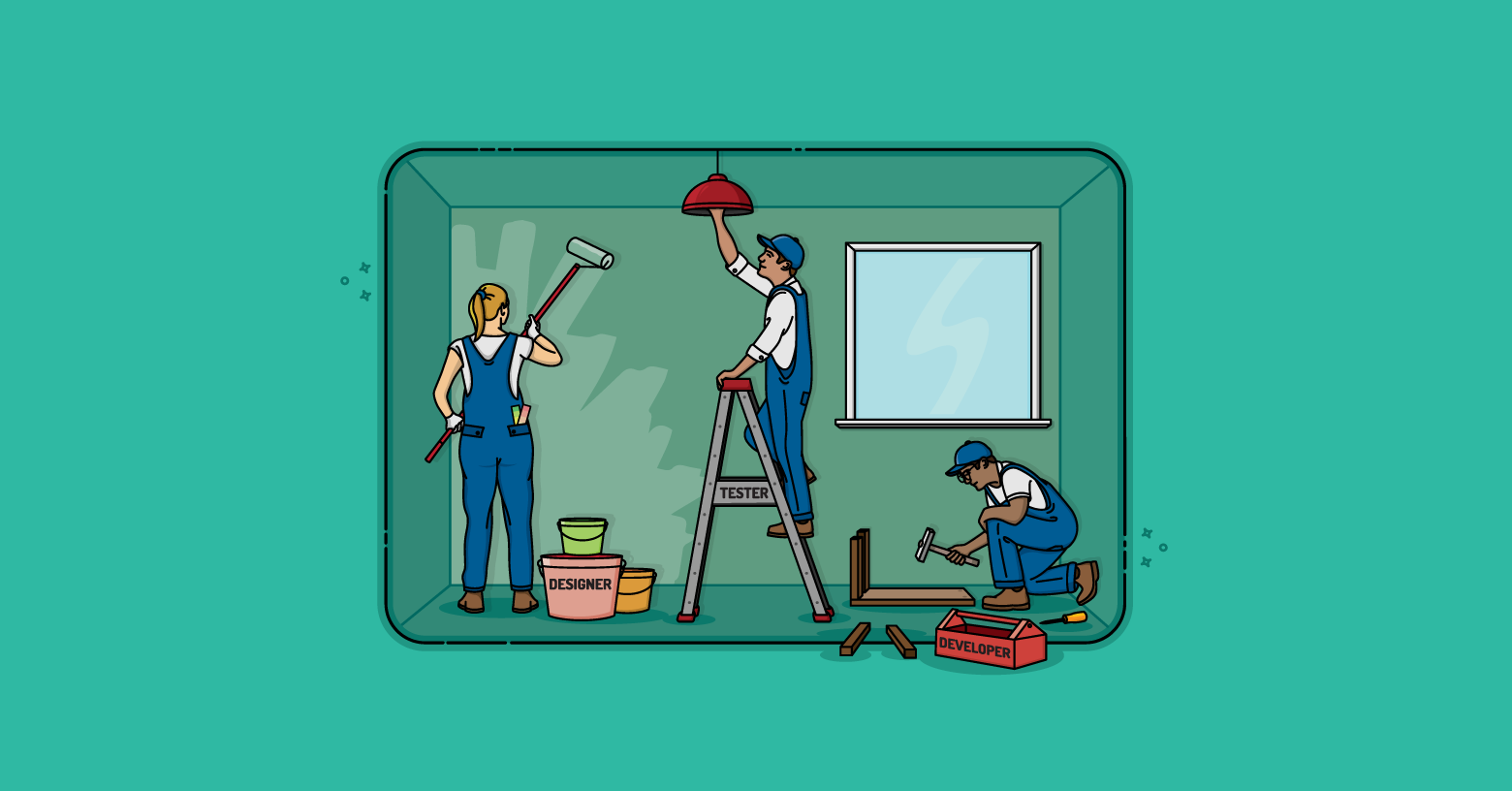
Useful when a team is working in short cycles but still doing analysis, design, coding, and testing as separate mini-phases.
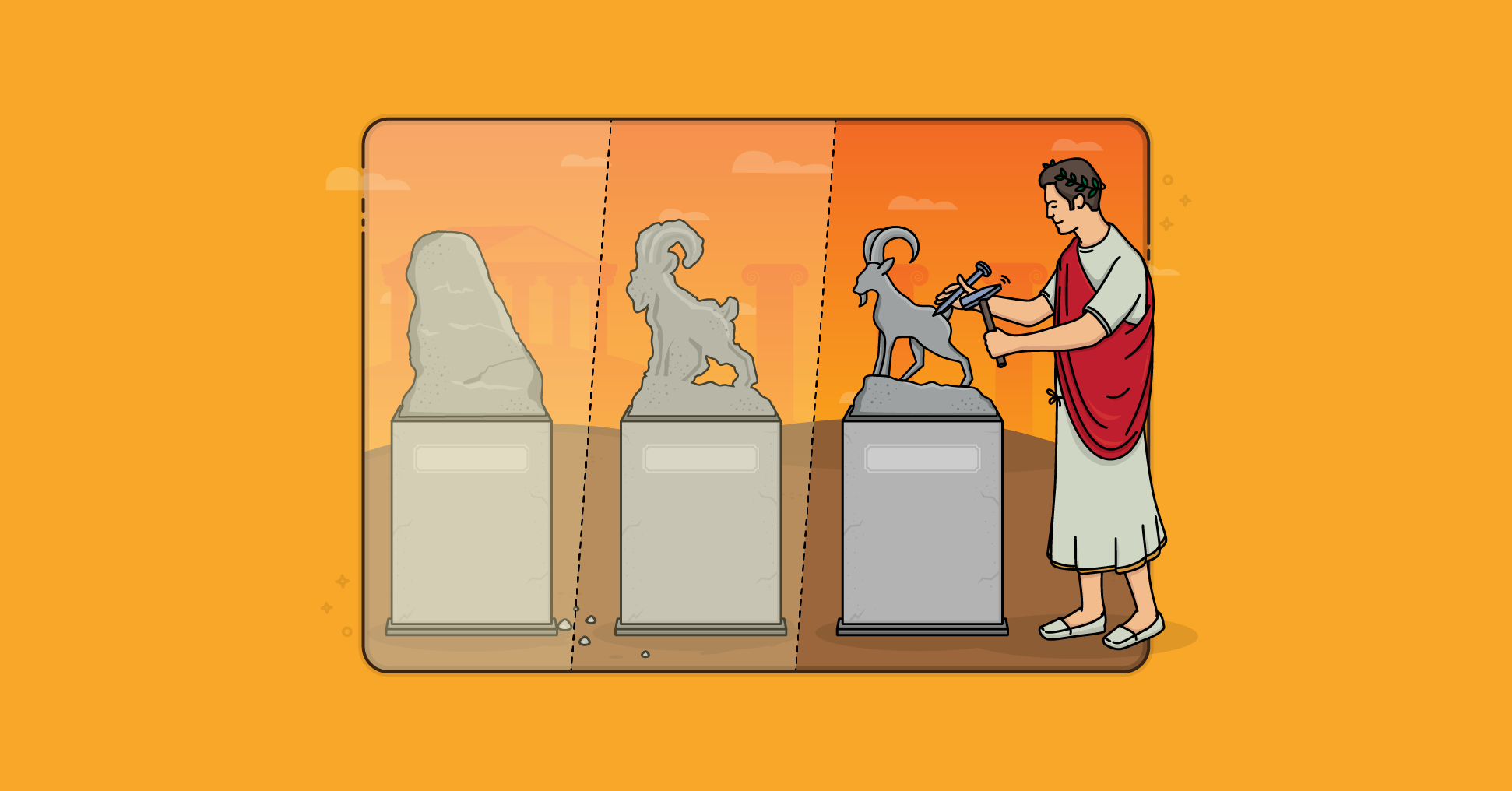
Useful when you want to understand why agile teams need to add small pieces of value and improve through feedback.