
User stories help agile teams move from documenting requirements to understanding them.
This guide explains what user stories are, how to write them, how to recognize good stories, and how to use practices such as refinement, story splitting, and story mapping without turning your backlog into a specification document.
Who This Guide Is For
This guide is for anyone who needs to turn product ideas, customer needs, stakeholder requests, or technical work into backlog items a team can discuss, split, refine, and finish.
It will be especially useful if you are a product owner, Scrum Master, agile coach, developer, tester, analyst, designer, product manager, or leader working with a backlog that has become too large, too vague, too detailed, too technical, or too hard to finish in a sprint.
What Is a User Story?
A user story is a short description of desired functionality told from the perspective of someone who wants or needs that functionality.
Most stories are written from the perspective of a user or customer. Some are written from the perspective of a stakeholder, another system, or someone else who benefits from the work. What matters is that the story points toward a meaningful outcome, not just an internal task.
A common template is:
As a [type of user], I [need/want/am required] to [do something], so that [reason or benefit].
For example:
As a conference attendee, I need to filter sessions by topic so that I can quickly find the sessions most relevant to me.
That sentence is a reminder to have a conversation; the full requirement emerges through the conversation that follows.
The most useful part of a story is the shared understanding created as the product owner, developers, testers, designers, stakeholders, and others discuss what is needed, what matters most, and what must be true when the work is finished.
Why User Stories Work
User stories work because they make requirements collaborative.
Traditional requirements documents often try to capture everything up front. That can create a false sense of certainty. Teams write more detail, but misunderstandings still appear once development starts.
Stories deliberately defer some detail until the team is closer to doing the work. That gives the team room to learn, ask better questions, and avoid documenting things that may change or never be built.
Ron Jeffries described user stories with three words: card, conversation, and confirmation.
The card is the short written description. Today it might be a physical card, a sticky note, or a backlog item in Jira, Azure DevOps, Trello, or another tool.
The conversation is where understanding grows. The team discusses user goals, tradeoffs, edge cases, business rules, design options, and implementation concerns.
The confirmation is how the team knows the story is complete. This might be expressed as acceptance criteria, examples, tests, sketches, rules, or notes that clarify what must be true when the story is done.
A useful story combines all three.
The User Story Template
The user story template helps teams think about three things: who the story is for, what that person needs, and why it matters.
A weak story often leaves one or more of those parts vague:
As a user, I want reports so that I can see information.
That story may be enough to remind someone of a conversation, but it does not give the team much to work with. The user is vague. The goal is vague. The reason is vague.
A stronger version gives the team more to discuss:
As a regional sales manager, I need to compare monthly revenue by territory so that I can identify where coaching or support is needed.
That version does not specify every field, filter, graph, permission, or export option. It does something more useful at this stage: it gives the team a user, a goal, and a decision the user is trying to make.
The template is helpful when it improves the conversation, but it should not become a ritual. Some backlog items read better without it. Some teams use job stories. Some technical work is clearer as a technical backlog item. The form matters less than whether the team can have the right conversation about the work.
User Story Examples
Examples make stories easier to understand. They also show why the written sentence is only the starting point.
Conference Website
As a conference attendee, I can save sessions to a personal agenda so that I can plan which sessions to attend.
Possible acceptance criteria:
-
A logged-in attendee can add a session to a personal agenda.
-
A session already on the attendee's agenda is marked as saved.
-
The attendee can remove a saved session.
-
If two saved sessions occur at the same time, the attendee is warned of the conflict.
E-Commerce Site
As a returning customer, I want to reorder items from a previous purchase so that I can quickly buy things I regularly need.
Possible acceptance criteria:
-
A customer can view previous orders.
-
A customer can add all available items from a previous order to the cart.
-
Unavailable items are shown but not added automatically.
-
The customer can adjust quantities before checkout.
Internal Business System
As a payroll specialist, I need to see employees with missing time approvals so that I can resolve payroll issues before processing begins.
Possible acceptance criteria:
-
The list shows employees with at least one unapproved time entry in the current pay period.
-
The list can be filtered by department.
-
Each employee entry links to the relevant time records.
-
Employees with no missing approvals are excluded.
Improving a Weak Story
Weak:
As a product owner, I need a dashboard so that I can see metrics.
Better:
As a product owner, I need to see which recently released features are used least so that I can decide whether to improve, promote, or remove them.
The better version identifies the decision the product owner is trying to make. That gives the team room to discuss whether a dashboard is the best solution or merely one possible solution.
What Makes a Good User Story?
A good user story helps the team make better product decisions and move work toward delivery.
Good stories tend to have four qualities.
A Good Story Has Clear Value
Someone should care whether the story is completed.
That value might be for a user, customer, stakeholder, business, or product. Some stories reduce risk. Some improve compliance. Some support a future capability. But the team should understand why the story matters.
A Good Story Is Small Enough to Finish
A story that cannot be finished in a sprint is usually too large.
Large stories create the illusion of progress. Everyone is busy, but by the end of the sprint the work is still almost done. The backend is finished, but the UI is not. The happy path works, but important rules are missing. The feature exists, but no one is comfortable calling it complete.
Good stories are small enough that the team can finish them and get meaningful feedback.
A Good Story Is Testable
The team should be able to tell whether the story is done.
That does not mean every acceptance criterion must be known the moment the story is written. Detail can be added later. But before the story is brought into a sprint, the team should understand what must be true for the item to be considered complete.
A Good Story Leaves Room for Conversation
A story should not over-prescribe the solution too early.
If the story dictates every screen, field, database table, exception, and design choice before the team discusses the work, the team may lose the benefit of collaboration. A good story gives the team enough direction to talk productively while leaving room for better design and implementation decisions.
Adding Detail to User Stories
A story should have enough detail for the team's current decision.
Early in discovery or planning, a story can be deliberately vague. At that point, the team may only need to remember that a capability exists and may matter later.
As the story moves closer to implementation, more detail is added. The product owner may clarify business rules. Developers may identify technical risks. Testers may suggest important examples. Designers may sketch options. Stakeholders may clarify edge cases.
The right amount of detail depends on where the story is in the backlog.
Stories near the top of the backlog need more clarity because the team may work on them soon. Stories lower in the backlog can stay larger and less detailed because priorities, users, and solutions may change.
A useful test is:
Does the team understand this story well enough to believe it can be completed in a sprint?
If yes, the story probably has enough detail for now.
If no, add detail through product backlog refinement, conversation, examples, acceptance criteria, or story splitting.
Story Splitting, Refinement, and Mapping
Three practices help teams keep stories useful as work becomes more concrete.
Product backlog refinement helps the team add the right amount of understanding at the right time. It is where vague ideas become clearer stories, large stories are split, risks surface, and acceptance criteria emerge.
Story splitting helps the team break large stories into smaller stories that still represent meaningful progress. The goal is not to create more backlog items. The goal is to help the team finish work and get feedback.
Story mapping helps teams see how stories fit together across a user journey, workflow, product area, or significant objective. A story map can reveal missing steps, alternatives, assumptions, and release options that are hard to see in a flat backlog.
These practices work together. Story mapping helps teams see the larger picture. Refinement helps teams decide what is clear enough and valuable enough to do soon. Story splitting helps teams turn large ideas into work that can be finished.
Common User Story Mistakes
Most user story problems are not caused by the template. They are caused by using stories for the wrong purpose or at the wrong level of detail.
Treating the Written Story as the Requirement
The written story is a reminder. The real requirement emerges through conversation, examples, rules, sketches, tests, and decisions.
If the team treats the sentence as complete by itself, important assumptions remain hidden until development starts.
Writing Stories That Are Too Large
Large stories are hard to finish and hard to discuss. They hide complexity and make progress difficult to see.
Split large stories before they enter a sprint.
Splitting Stories Into Tasks
Tasks are useful for organizing work, but they are not the same as user stories.
A task describes what the team needs to do. A story describes a useful outcome someone needs, wants, or is required to achieve. Teams often need both, but they should not confuse one for the other.
Writing Every Story from the Product Owner's Perspective
The product owner is important, but the product owner is often not the user.
When every story begins "As a product owner," the team may lose sight of the customer, user, or stakeholder who actually needs the capability.
Adding Too Much Detail Too Soon
Detail is valuable when it supports a near-term decision.
Detail added months too early is often waste. It may be wrong by the time the team reaches the story. Keep lower-priority stories lighter and add detail as they move closer to implementation.
Using the Template Without Thinking
The user story template is a thinking tool. It does not guarantee a good story.
A poor story can follow the template perfectly. A useful backlog item can sometimes be written without the template at all.
Before Bringing a Story Into a Sprint
A user story does not need every detail before it enters the backlog. But before a team brings a story into a sprint, these questions should have reasonably clear answers:
-
Who benefits from this story?
-
What outcome, capability, decision, or behavior does the story support?
-
Why does that outcome matter now?
-
Is the story small enough to finish in a sprint?
-
Has the team avoided splitting the story only by technical layer?
-
Does the story leave room for conversation and better design choices?
-
Does the team understand what must be true for this item to be considered complete?
Use those questions to find the next conversation the team needs to have.
Core User Story Topics
Writing User Stories
Good story writing starts with a clear user, a useful goal, and a reason the work matters. The template helps when it causes better thinking. It hurts when teams fill it in mechanically.
Use Writing User Stories to learn how to choose the right user, write the who/what/why, and improve weak stories without turning every backlog item into the same awkward sentence.
What Makes a Good User Story
A good story is valuable, small enough, testable, and open to conversation. INVEST can help, but the real test is whether the story helps the team make better decisions and move work toward delivery.
Use What Makes a Good User Story when stories are too large, too vague, too dependent, or too hard to finish.
Acceptance Criteria
Stories need detail, but not every detail needs to be known the day the story is first written. Detail should be added as the team gets closer to implementation.
Use Acceptance Criteria to learn how to add enough confirmation detail without burying the team in premature specification work.
Product Backlog Refinement
Refinement is where many stories become clear enough, small enough, and well understood enough to bring into a sprint. It is also where teams discover that a story needs to be split, reworded, postponed, or replaced.
Use Product Backlog Refinement to improve the conversations that happen before sprint planning.
Story Splitting
Large stories make it hard for teams to finish. Splitting helps the team create smaller stories that still represent meaningful progress for a user, customer, stakeholder, or product.
Use Story Splitting to learn practical ways to split stories without turning them into database, API, UI, and testing tasks.
Story Mapping
Story mapping helps teams see how stories fit together across a user journey, workflow, product area, or significant objective. It is useful when a flat backlog hides the sequence, alternatives, and tradeoffs in the work.
Use Story Mapping when the team needs a shared picture before deciding what to build first.
Story-Writing Workshops
A story-writing workshop helps a team create, repair, or reorganize a backlog together. It is especially useful at the start of a product, a major capability, a release, or a significant new objective.
Use Story-Writing Workshops to plan who should attend, how to prepare, and how to turn workshop conversations into useful backlog items.
Not Everything Needs to Be a User Story
Some work fits naturally as a user story. Some work is better expressed as a job story, technical backlog item, bug, feature, spike, or constraint.
Use Not Everything Needs to Be a User Story when the team is forcing every item into a template and losing clarity in the process.
Common Questions About User Stories
Do User Stories Have to Use the Template?
No. The template is useful because it encourages teams to think about who the story is for, what that person needs, and why it matters. Use it when it improves the conversation. Do not force it when another format is clearer.
Who Writes User Stories?
Anyone can write a story.
The product owner is accountable for the product backlog, but that does not mean the product owner should personally write every item. Developers, testers, designers, analysts, Scrum Masters, stakeholders, customers, and users can all contribute.
What matters most is not who typed the first sentence. What matters is who participates in the conversation.
Are User Stories the Same as Requirements?
A user story represents a requirement, but the written sentence is rarely the whole requirement.
The requirement emerges through conversation, examples, rules, sketches, tests, and decisions.
What Is the Difference Between a User Story and a Task?
A story describes a useful outcome from the perspective of someone who benefits from the work. A task describes work the team performs to deliver that outcome.
For example, "As a customer, I can save a payment method so that checkout is faster next time" is a story. "Create payment-token database table" is probably a task.
What Is an Epic?
An epic is a large story.
Epics are useful when the team wants to remember an important capability before knowing all the details. As the epic gets closer to development, it should be split into smaller stories the team can finish.
Are Technical Stories Really User Stories?
Sometimes technical work can be described from a meaningful user, business, product, risk, or operational perspective. Other times it is better treated as a technical backlog item, spike, chore, or task.
Do not force everything into user story form. Use the form that helps the team have the best conversation about the item.
What Is Acceptance Criteria?
Acceptance criteria are details that help the team understand whether a story has been completed correctly.
They may take the form of examples, rules, tests, or brief notes. The wording matters less than the shared understanding they create: the team knows what must be true for the story to be considered complete.
How Detailed Should a User Story Be?
Detailed enough for the next decision.
A story far down the backlog may be intentionally vague. A story near the top needs enough clarity that the team can reasonably believe it will fit in a sprint. Product backlog refinement is where teams usually add that clarity.
When Should a Team Use Story Mapping?
Use story mapping when the team needs a shared picture of a product, workflow, user journey, or significant new capability.
Story mapping is most helpful when there are many related stories and the team needs to understand sequence, alternatives, priorities, and release options.
User Stories Resources
Participants in my Certified ScrumMaster courses are often surprised when I recommend that programmers participate in story-writing workshops. After all, a story-writing workshop is a meeting targeted at determining the functionality to be built next. I like to do story-writing workshops about quarterly to focus on bigger initiatives. But some projects will do story writing every sprint. Regardless of how often these meetings occur, I think it's vital that programmers, testers, database engineers,...
Splitting stories has long been one of the biggest challenges facing agile teams. Here are some examples of splitting some reporting stories to demonstrate ways of splitting stories.
A lot of traditionally managed projects begin with a Software Requirements Specification (SRS). Then sometime during the project, a decision is made to adopt an agile approach. And so a natural question is whether the SRS can serve as the newly agile project's product backlog. Some teams contemplate going so far as rewriting the SRS into a product backlog with user stories. Let's consider whether that's necessary. But before taking up this question, I want to clarify what I mean by a Software Requirements Specification or SRS. I find this type of document to vary tremendously from company to company. In general, though, what I'm referring to...
I'd like to clarify the relationship between two important concepts: a team's Definition of Done and the Conditions of Satisfaction for a user story. Let's start by reviewing each of these concepts.
Splitting user stories is hard. Here are the only five techniques you need to be able to slice any user story into small, manageable chunks of work.
There are plenty of mistakes a team can make when splitting user stories. Here are five of the most common.
What do the testers do at the start of a sprint when there’s nothing to test? That problem is solved through team collaboration.
Here’s what to do when facing a complex user story that cannot be split but is too large for one sprint.
As useful as user stories can be, they’ve never been right for every team. An exciting alternative for some teams is the job story.
When writing user stories, how should agile teams handle non-functional requirements—desired product attributes or characteristics? Get the answers you need in this blog post from Mike Cohn.
User stories are great. When you’ve got users, that is. Sometimes, though, the users of a system or product are so far removed that a team struggles to put users into their stories. A sign that this is happening is when teams write stories that begin with “As a developer...” or “as a product owner....”...
Is your team a bit confused about user stories? Get answers to common questions about acceptance criteria, so-that clauses, and user stories vs requirements.
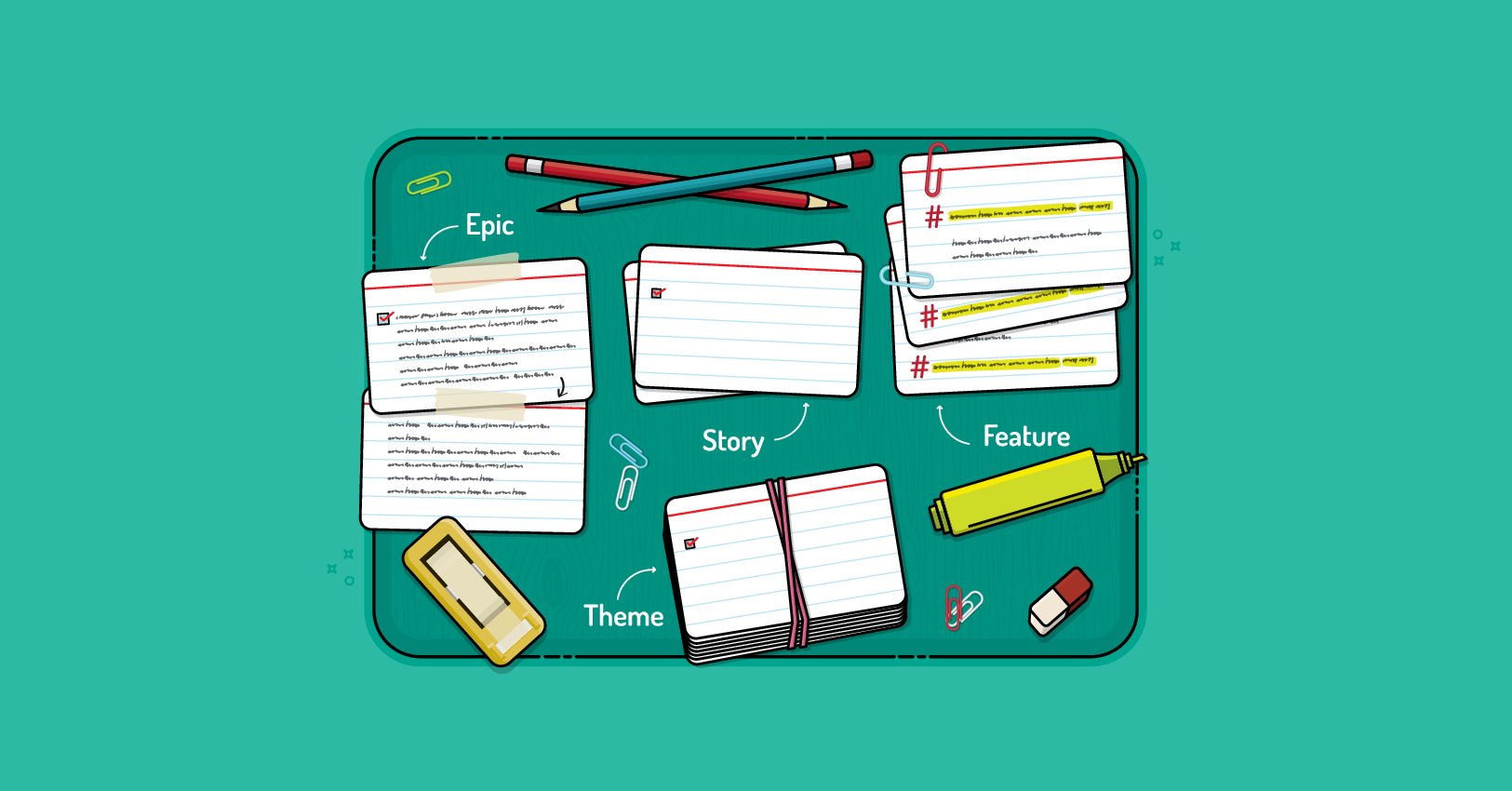
I've been getting more and more emails lately from people confused about the difference between "user stories", "epics" and "features." So I thought this month we'd return and cover some basic--but very helpful--territory by explaining those terms. First, the terms don't matter that much. These are not terms with important specific meanings like "pointer" to a programmer or "collateralized debt obligation" to whomever it is that's important.
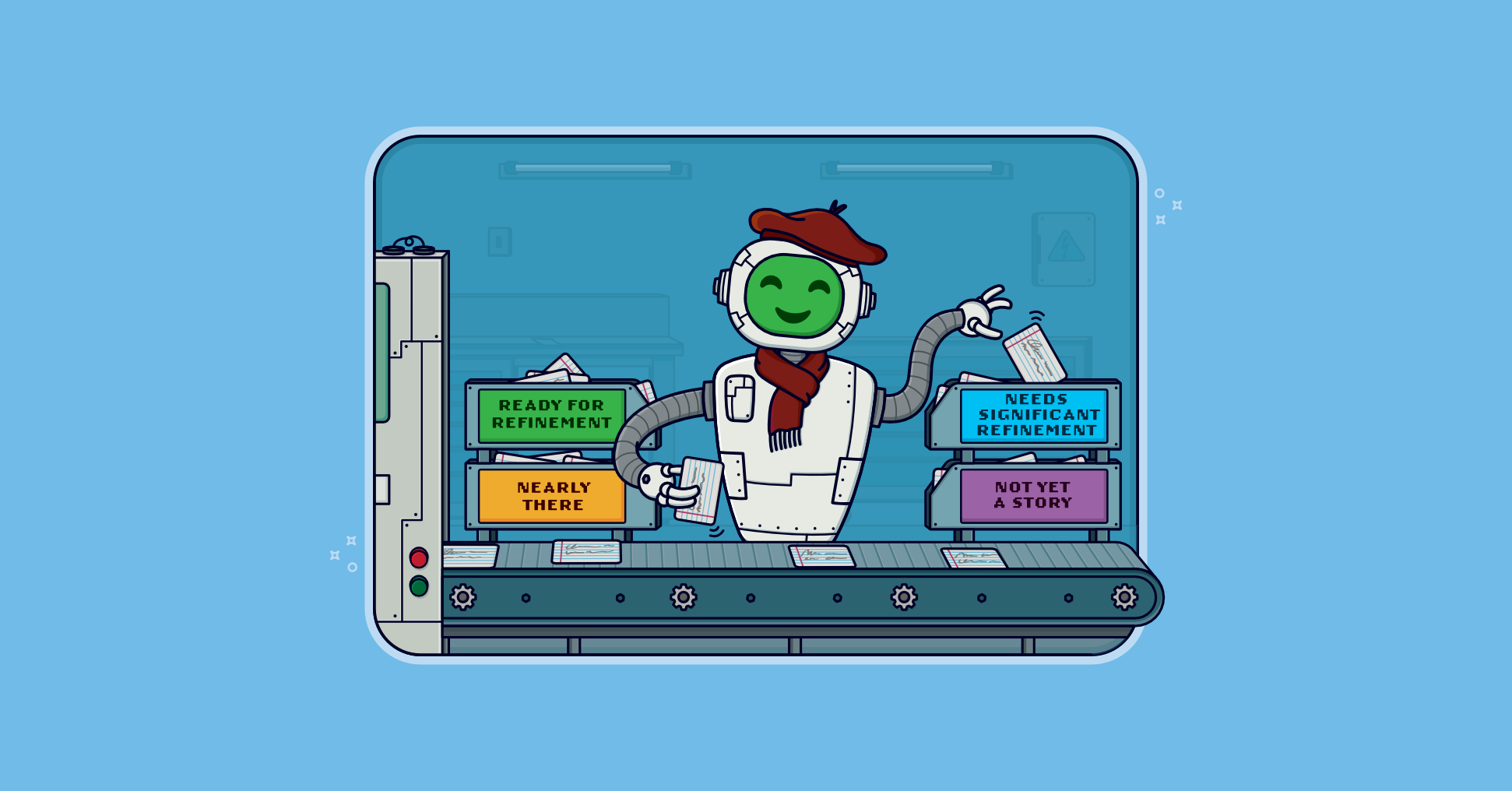
See how the Story Critic skill coaches teams toward clearer, more testable backlog items and better refinement conversations, using examples of a simple story, a story with acceptance criteria, and a batch review of one Zoom backlog.
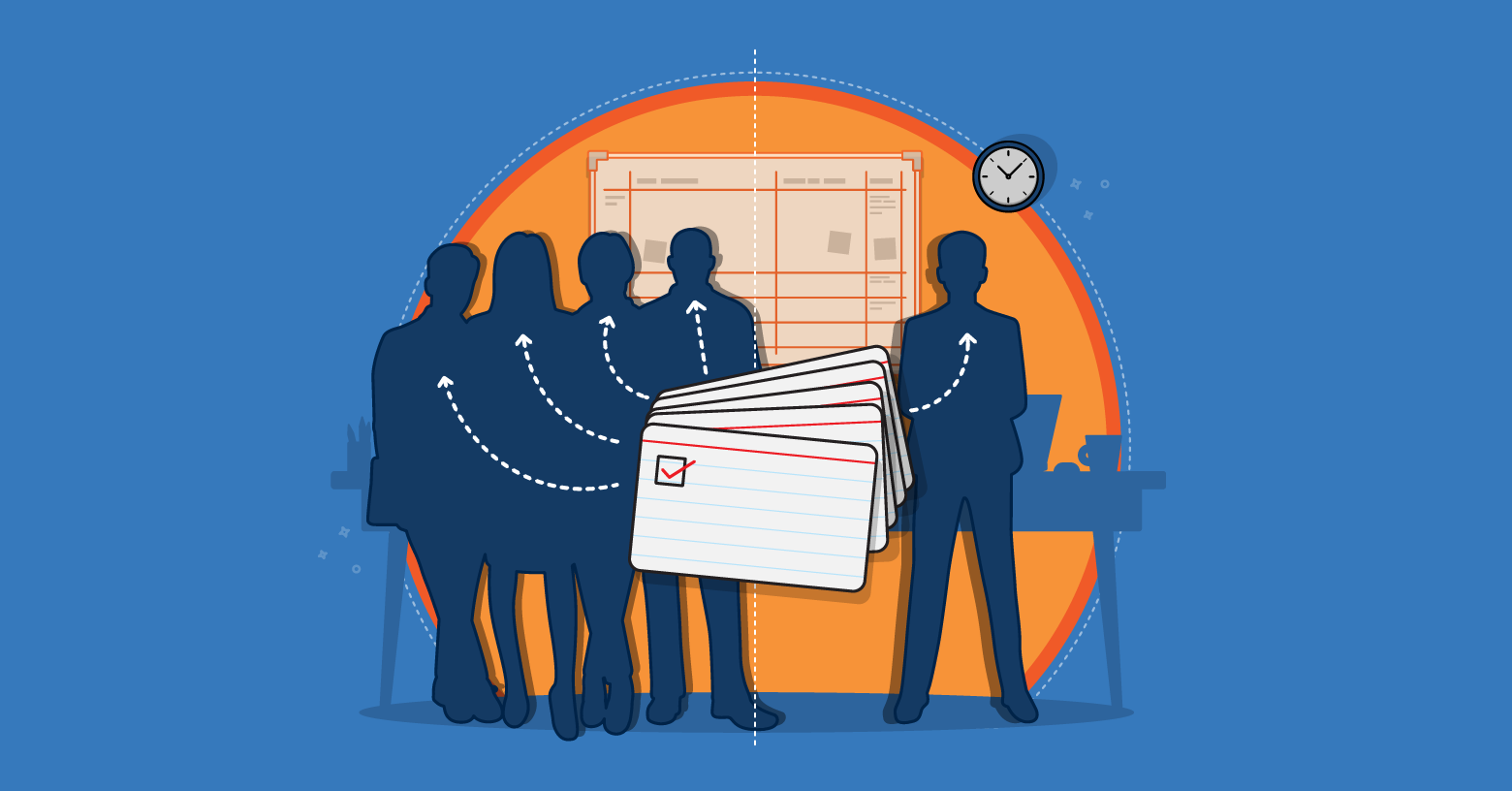
What’s the difference between a user story and a task? Well that’s an easy question, I thought, the first time it was asked of me in a Certified ScrumMaster class. “The difference is …,” I...
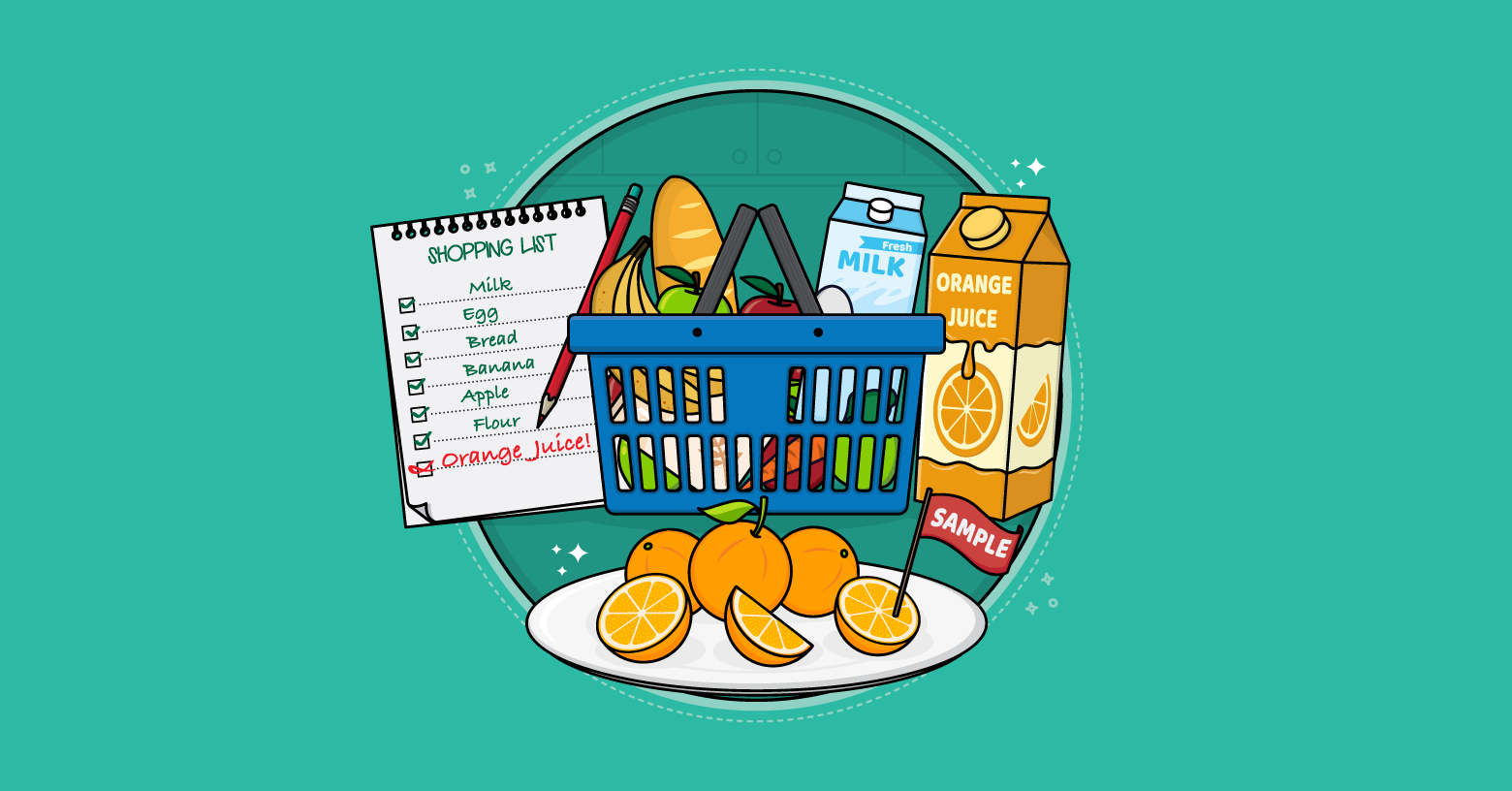
Deadlines are often missed because teams fail to consider emergent requirements. Learn about the 3 types of requirements your agile team should be gathering.
User stories can be deliberately vague at first but detail needs to be added eventually. There are two ways to do that. Here they are.
A Scrum trainer recently asked for a couple of good, real examples of large user stories (epics) being split into smaller stories. I thought it would be useful to share those examples here as well since the companies where these came from gave me permission to share them.
Use AI to support product discovery, user interviews, and writing better user stories.
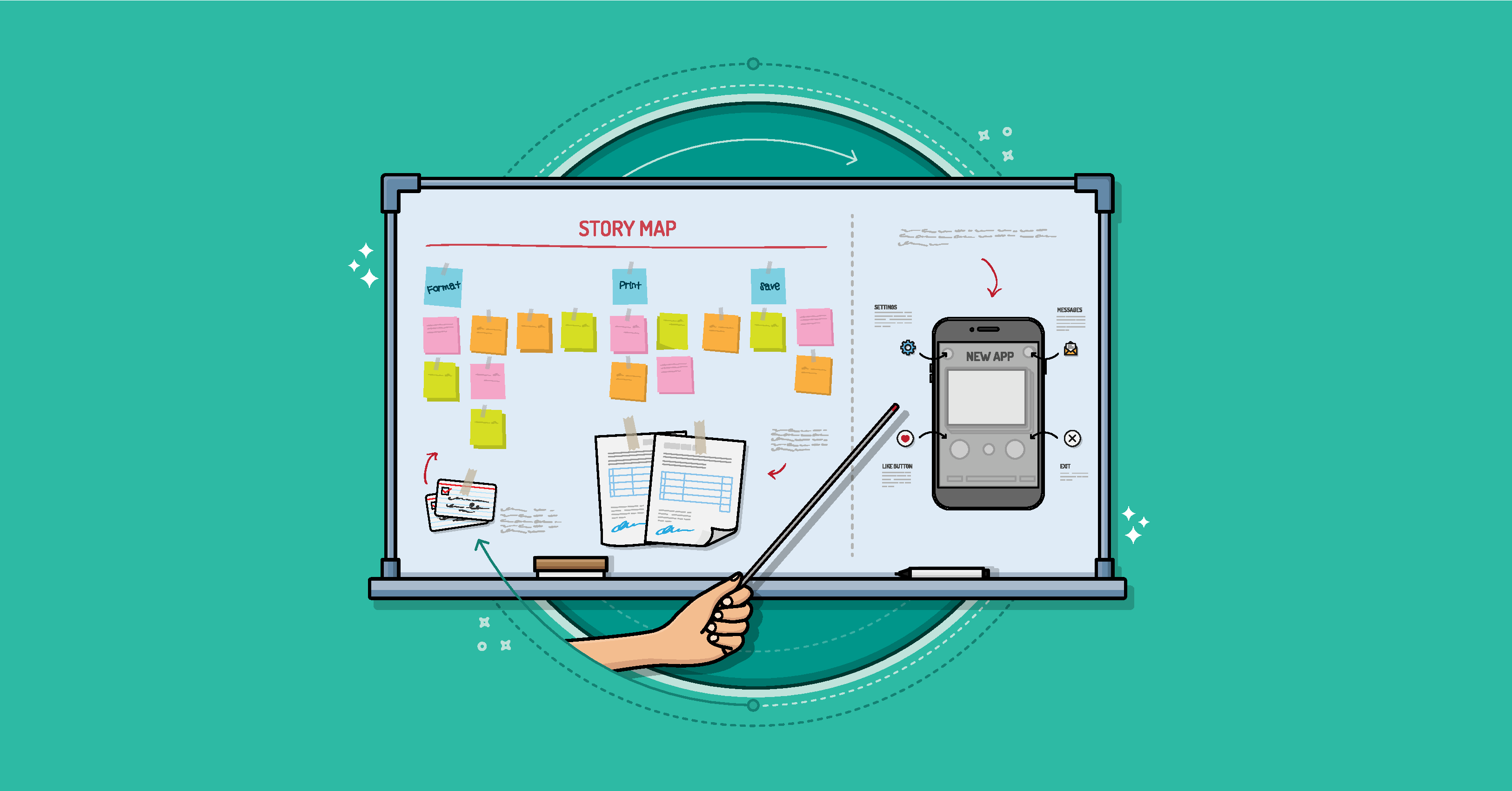
Story maps help to create a shared understanding of the product, visualize user needs, and elicit user story ideas. Discover how to create your own.
Capturing too much or too little detail in a user story causes problems. Here's how to get it right, iteratively.
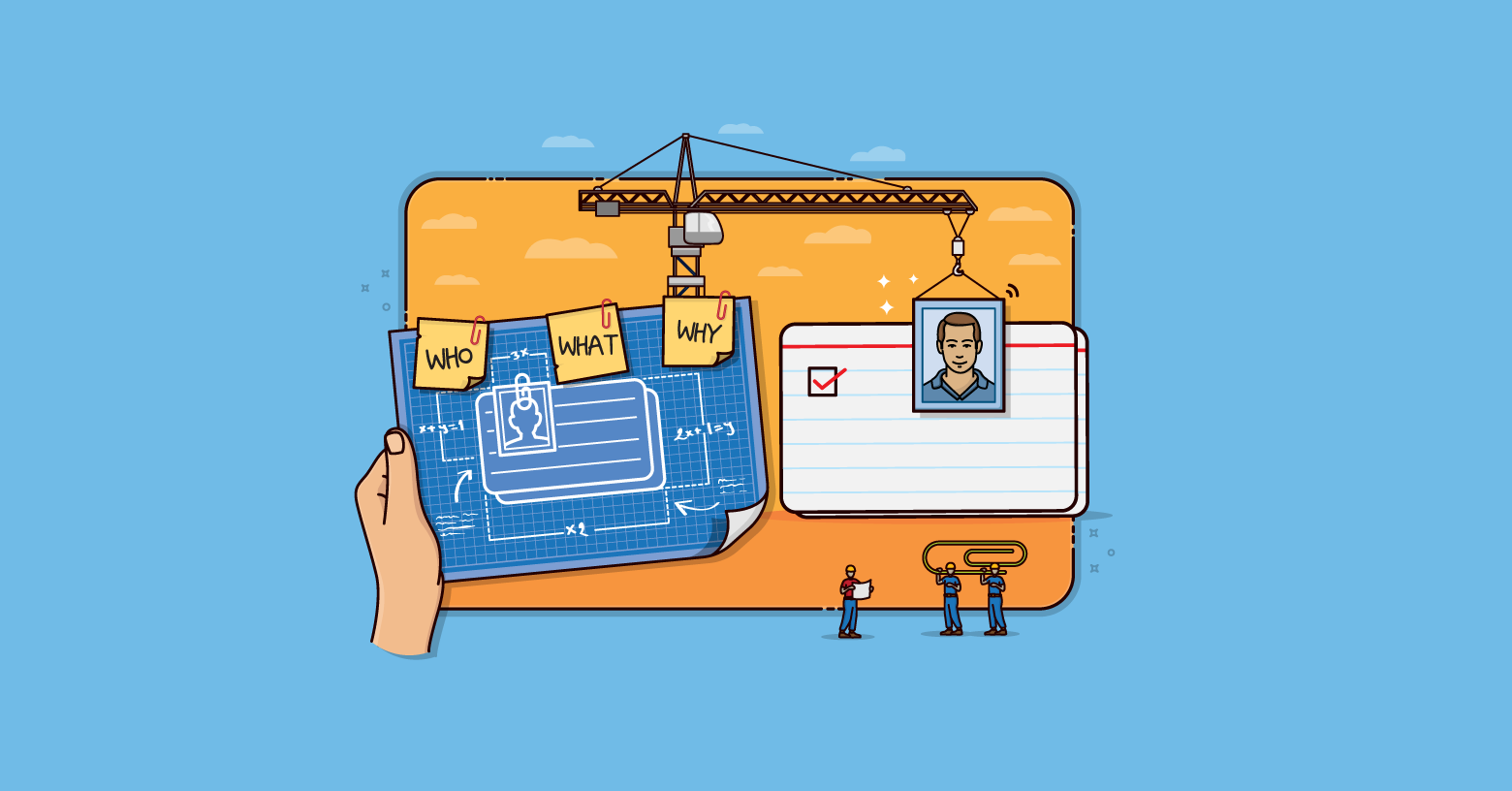
The standard “As a...I...so that…” user story template is a way of expressing product backlog items. Learn what the three-part user story format is, more about the questions it answers, and the advantages and drawbacks of the user story template.
I was asked recently how to go about writing user stories for a back-end financial system. This is an interesting example and is a question I get asked a lot, so I thought I should answer it here. This example brings up a couple of key interesting challenges:
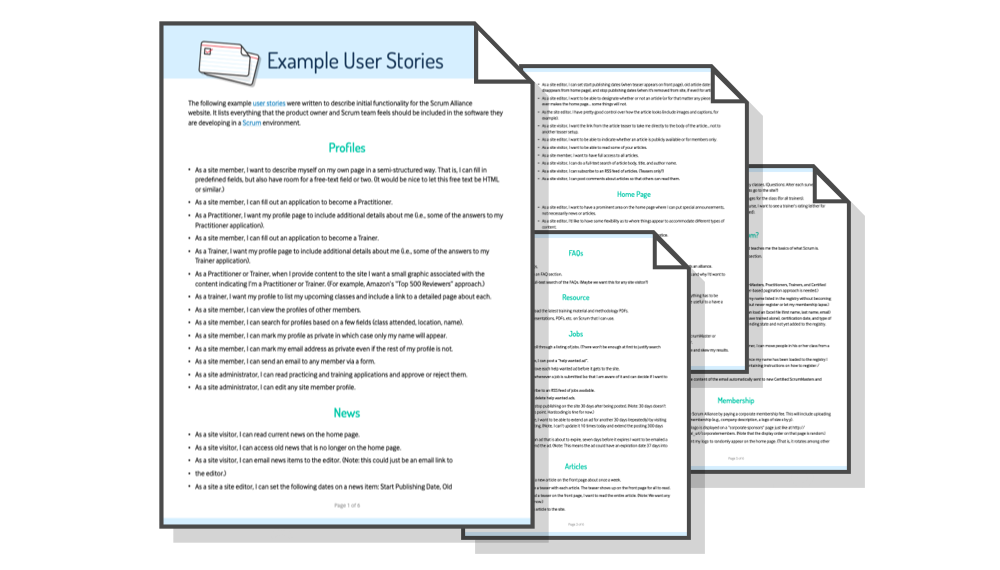
See user stories Mike Cohn wrote as part of several real product backlogs.