
Iterative and Incremental Development
Agile teams work both iteratively and incrementally. The two words are often used together, and that is fine. Most of the time, agile teams should be doing both. But the words do not mean the same thing, and understanding the difference helps explain why agile teams work in short cycles, why they seek feedback early, and why a Sprint should produce something useful rather than just a collection of unfinished parts.
Incremental development means building a product in pieces. Each increment adds something useful to what came before.
Iterative development means improving something through repeated feedback. The team builds something, learns from it, and then improves it.
A good agile team does both. It adds small pieces of value and improves what has already been built based on what the team learns.
Who This Page Is For
This page is for people who are new to agile and want to understand one of the ideas behind Sprints, short feedback cycles, and usable increments of work. It is also useful for teams that are working in short cycles but not getting much benefit from those cycles.
If your team finishes work but rarely improves it, this page will help. If your team keeps revisiting work but does not deliver useful increments, this page will help. If your team is doing analysis, design, coding, and testing as separate mini-phases inside short timeboxes, this page will also help explain why that may not feel very agile.
What This Page Covers
This page explains the difference between iterative and incremental development, why each matters, and what happens when a team relies too much on one and not enough on the other. It also explains why merely working in short cycles is not enough. The cycles have to create learning, usable progress, and better decisions.
What Incremental Development Means
Incremental development means building a product piece by piece. Imagine a team building an online auction site. In an incremental approach, the team might first build the ability for users to create accounts. Then it might add the ability to list items for sale. Later it might add bidding, search, payments, notifications, and so on.
Each increment adds to the product. The product becomes more complete because the team has added another useful piece.
This is valuable because it gives the team and stakeholders visible progress. It also creates the possibility of releasing earlier with less than the full wish list. If the team works in priority order, the most important pieces can be built first, and less important pieces can wait.
But incremental development by itself has a weakness. If the team treats each increment as finished forever, it may miss what feedback is telling it. The product gets bigger, but not necessarily better.
What Iterative Development Means
Iterative development means improving through repeated passes. A team working iteratively expects that it will not get everything right the first time. The first version may be useful, but it is not final. The team shows it, uses it, tests it, learns from it, and comes back to improve it.
A comedian developing a new act is a good example. The comedian tries a joke in front of an audience, changes the wording, adjusts the timing, drops what does not work, and keeps improving the material. Each performance creates feedback. The act gets better because the comedian uses that feedback.
Product development works the same way. A team might release a simple profile page, learn that users are confused by the order of the fields, and improve the page in a later Sprint. It might create a first version of search, learn that users need better filters, and refine search later. The team is improving what already exists, not merely adding more.
Iterative development by itself also has a weakness. A team can spend too long refining the same thing without adding enough new value. The product may get better, but progress can feel slow if nothing new is being added.
Agile Teams Need Both
Agile works best when iterative and incremental development are combined. Incremental development helps the team add value in small pieces. Iterative development helps the team improve those pieces based on feedback. Together, they let the team make progress while also learning whether that progress is leading in the right direction.
A team building a dating app might start with a simple version of user profiles. That is an increment. In a later Sprint, the team may add the ability to upload photos, which is another increment. Later still, the team may reorder profile fields because users had trouble completing setup. That is iteration. The product grows, and the existing product improves.
This pattern works better than building the entire product once and discovering late whether it is right. It also works better than polishing one small area forever while the rest of the product never appears.
Good agile teams use increments to create progress and iterations to turn feedback into learning.
What Happens If a Team Is Only Incremental?
A team that is only incremental builds more and more pieces but rarely revisits them. That may sound efficient, but it can produce a weak product. The team keeps adding features without asking whether earlier features are useful, usable, or valuable enough. Feedback arrives, but the team treats it as something to consider later, after all the planned increments are done.
This is how a product can become large without becoming good. The team may have delivered many features, but the features may not fit together well. The user experience may be awkward. The product may contain capabilities that seemed important early but matter less after users have seen the product. Technical decisions made early may need adjustment, but the team keeps moving forward because the plan says the next feature is next.
Incremental progress matters. But if the team never iterates, it loses one of the main benefits of agile.
What Happens If a Team Is Only Iterative?
A team that is only iterative keeps improving but may not add enough new value. The team might spend Sprint after Sprint refining the same area of the product. The design gets better, the workflow gets smoother, and the code improves, but stakeholders may wonder when the next important capability will appear.
This can happen when a team is uncomfortable releasing anything imperfect. It can also happen when the team does not have a clear enough Product Backlog or Product Goal. Without a strong sense of what value should be added next, the team may keep improving what is already there.
Iteration matters. But if the team never increments, the product may not grow fast enough to be useful.
Agile teams need to keep both questions in mind: What useful piece should we add next? And what have we learned that should improve what we already built?
Why Feedback Matters
Iterative and incremental development depend on feedback. The team does not build small increments merely to say it worked in small batches. The team builds small increments so people can react to something real. Stakeholders can see whether the product is heading in the right direction. Users can show where the product is confusing. The team can learn where the technology is harder than expected. Product Owners can make better decisions about what matters next.
Feedback is what turns short cycles into learning cycles. Without feedback, a team can have Sprints, reviews, and a backlog and still make many of the same mistakes it would have made in a long sequential project. The team may simply be building small pieces according to a plan that is never challenged by real use, real users, or real stakeholders.
An increment gives people something to inspect. Iteration uses what they learn to improve the product.
Working Software Makes Feedback Better
Agile teams prefer feedback on working product because working product teaches more than documents, diagrams, or plans alone.
A written description of a feature can start a good conversation. A wireframe can help. A prototype can help even more. But a usable increment gives stakeholders and users something concrete to react to. They can try it, notice what is missing, discover what is confusing, and identify what they want next.
That does not mean every increment must be released to every customer. It means the team should be moving toward something usable, testable, and inspectable.
A team that ends each Sprint with unfinished analysis, unfinished design, unfinished coding, and unfinished testing has little to inspect. The team may have been busy, but it has not created much feedback.
Iterative Waterfall Is Not the Same Thing
Some teams work in short cycles but still do the work sequentially.
In one Sprint, they analyze what should be built. In the next Sprint, they design it. In the next, they code it. In another, they test it. Each story becomes a miniature Waterfall project moving through the same phases in a smaller package.
That can look agile because the calendar is divided into Sprints. But the team is still learning late. Testing happens late. Feedback happens late. Specialists hand work to one another instead of collaborating to finish a small slice of value together.
This is often called iterative Waterfall. It may be a step toward agility, but the team still needs to collaborate across skills, finish a small useful increment, and improve based on feedback rather than put old phases into shorter boxes.
How This Looks in a Sprint
In Scrum, a Sprint should produce a usable increment. That increment may be small, but it should be complete enough to inspect.
Suppose a team is improving a product setup experience. In one Sprint, the team might create a simple setup flow for the most common customer type. That adds an increment. In the Sprint Review, stakeholders notice that users will need clearer progress indicators. The team may decide to improve that in a later Sprint. That is iteration.
The next Sprint might add setup support for a second customer type while also improving the progress indicators from the first version. Now the team is doing both: adding something new and improving something based on feedback.
This is the rhythm agile teams want. Finish something useful. Inspect it. Learn from it. Add more. Improve what needs improving.
How to Tell Whether Your Team Is Doing Both
A team doing both iterative and incremental development will usually show a few recognizable patterns. Work is split small enough that something useful can be finished. Sprint Reviews create real feedback. The Product Backlog changes based on what the team learns. Some Sprints add new capabilities; some improve existing capabilities; many do both.
The team also avoids treating each Product Backlog item as a one-time transaction. An item may be done, but the product area it touches can still be improved later when feedback shows that improvement is worthwhile.
This is different from rework caused by carelessness. Iteration should not be an excuse to do sloppy work. It is a way to improve a responsible first version after the team learns more.
Common Mistakes
Treating Iterative and Incremental as the Same Thing
The words are related, but they are not interchangeable. Incremental development adds pieces. Iterative development improves through repeated feedback. Agile teams need both.
Delivering Pieces Without Learning from Them
A team can deliver many increments and still miss the point if nobody uses them, reviews them, or learns from them. Increments should create the opportunity for feedback.
Refining Forever Without Adding Value
A team can also spend too much time improving the same thing. Iteration should improve the product, but it should not prevent the team from adding useful new capabilities.
Calling Short Phases Agile
Short cycles do not automatically create agility. If analysis, design, development, and testing still happen as separate handoffs, the team may be doing iterative Waterfall.
Treating Feedback as a Disruption
Feedback is one of the reasons to work iteratively and incrementally. The team should not accept every new idea immediately, but it should use feedback to make better product decisions.
Is Your Team Both Iterating and Incrementing?
Use these questions to start a team conversation:
- Are we finishing small pieces of usable product?
- Are Sprint Reviews or other feedback points changing what we learn or do next?
- Are we improving parts of the product after seeing how people respond?
- Are we adding new value instead of refining the same thing indefinitely?
- Are we avoiding long handoffs between analysis, design, development, and testing?
- Are we splitting work small enough that feedback can arrive before too much has been built?
- Are we treating feedback as useful information rather than as a threat to the plan?
If the answer to most of these is no, the team may be working in short cycles without getting the full benefit of agile.
FAQ
What Is the Difference Between Iterative and Incremental Development?
Incremental development builds a product in pieces. Iterative development improves something through repeated feedback. Agile teams usually need both: new increments of value and later improvement based on what the team learns.
Is Scrum Iterative or Incremental?
Scrum is both. Each Sprint should produce a usable increment, and the team can improve the product over time based on feedback from Sprint Reviews, users, stakeholders, and the team’s own learning.
Can a Team Be Incremental but Not Iterative?
Yes. A team can add feature after feature without revisiting earlier work based on feedback. That may create progress, but the product may not improve enough as people learn.
Can a Team Be Iterative but Not Incremental?
Yes. A team can repeatedly refine the same area without adding enough new value. That may improve one part of the product, but progress can stall if the product does not grow.
Why Does Agile Need Feedback?
Feedback helps the team decide whether the product is useful, whether the solution works, and what should change next. Without feedback, short cycles can become just a different way to follow an old plan.
Is Iterative Waterfall Agile?
Not usually. Iterative Waterfall breaks a sequential process into shorter cycles but still keeps analysis, design, coding, and testing as separate handoffs. Agile teams try to collaborate across those activities to finish small, useful increments.
Does Every Sprint Need to Add Something New?
Not always. A Sprint may focus heavily on improving something that already exists. But over time, the team should be both adding useful increments and improving based on feedback.
Iterative and Incremental Resources
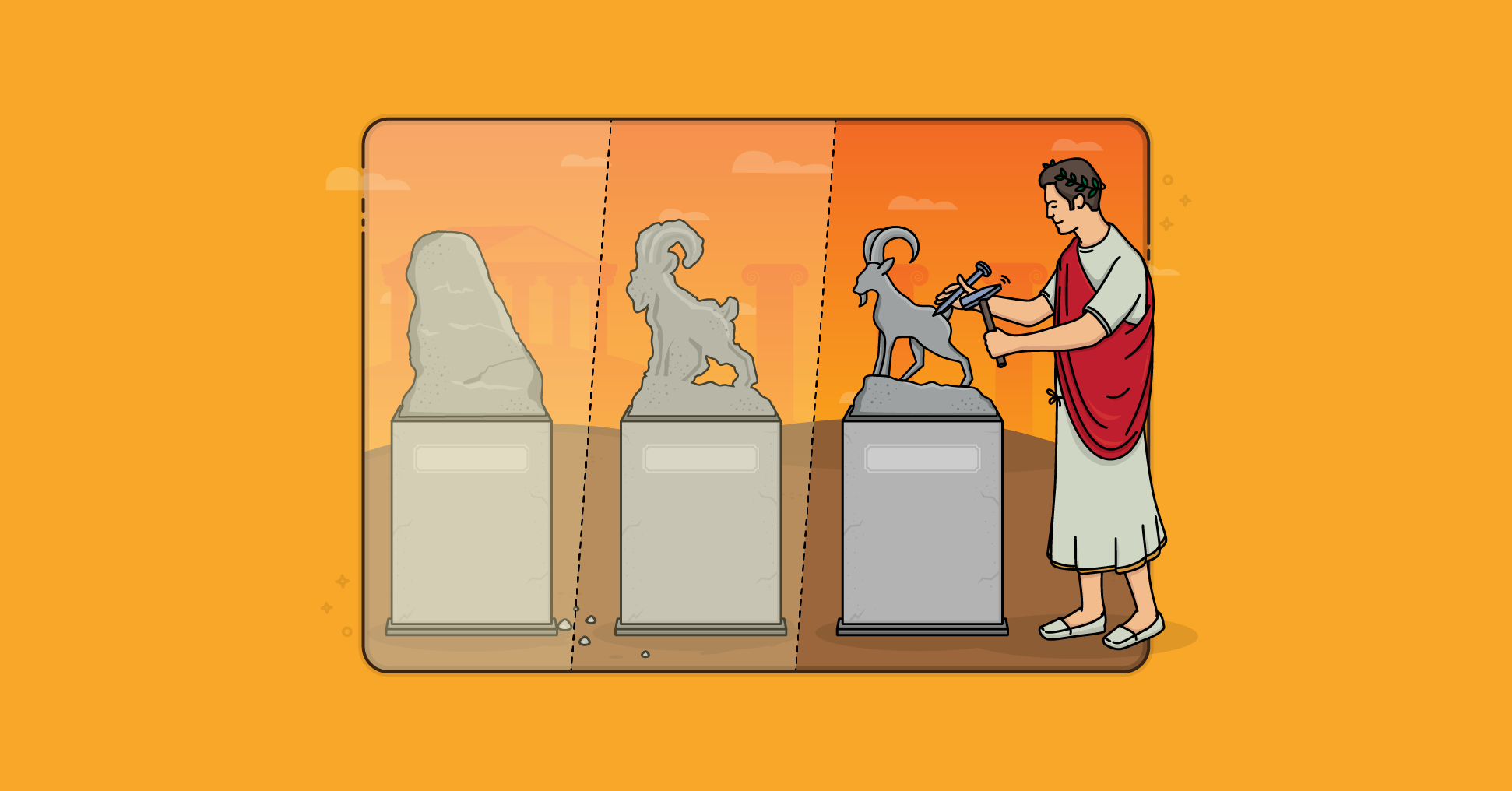
Useful for a shorter article-style explanation of the difference between iterative and incremental development.
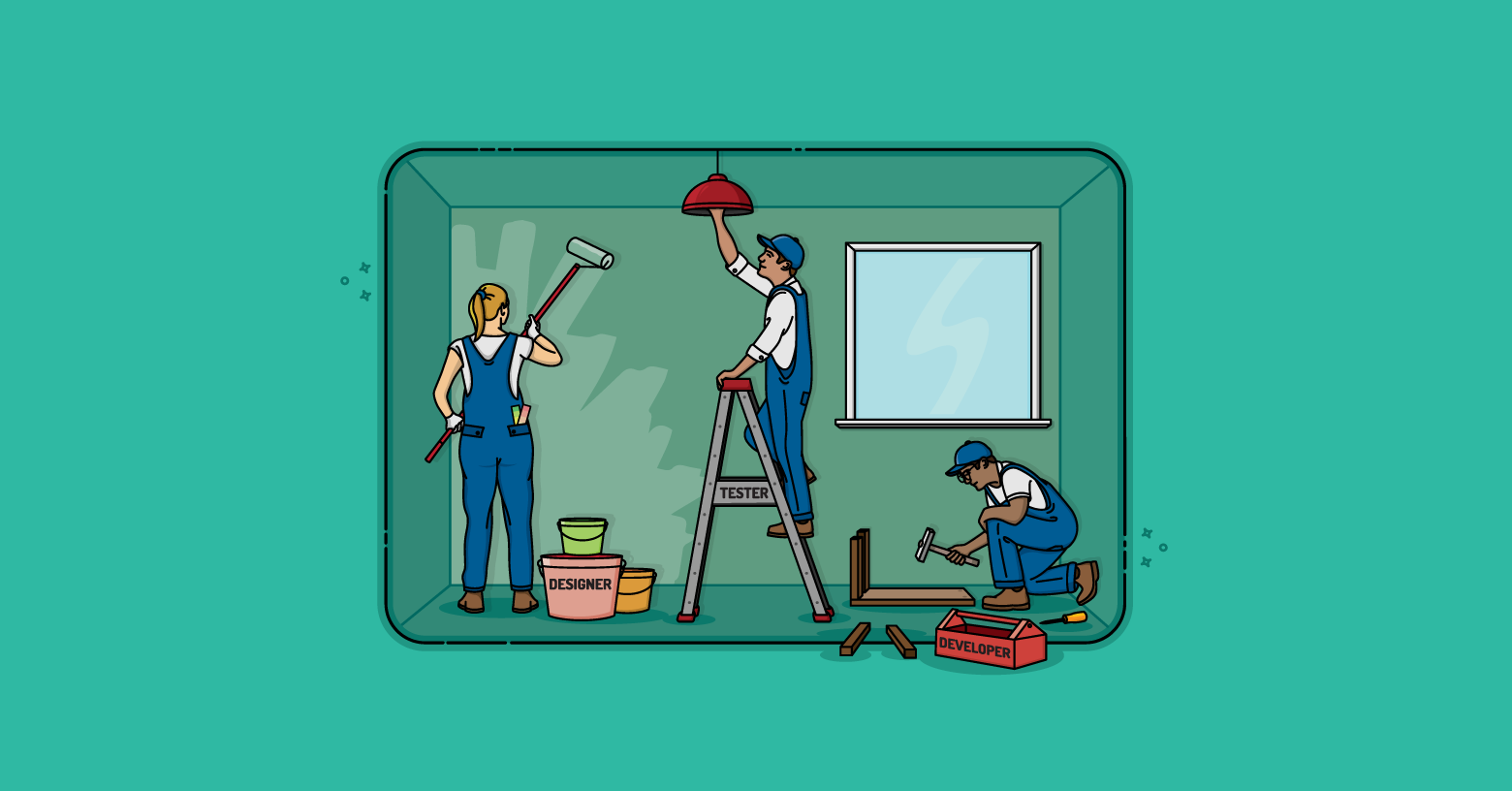
Useful when a team is working in short cycles but still doing analysis, design, coding, and testing as separate mini-phases.
Useful for clearing up beginner misunderstandings about agile, planning, managers, specialists, and change.