
Common Misconceptions About Agile
Agile is easy to misunderstand, partly because the visible parts of agile are easier to see than the purpose behind them. People notice the Sprints, boards, backlog items, Daily Scrums, story points, and sticky notes. They may not yet understand the feedback loops, tradeoff conversations, product decisions, teamwork, and learning those practices are supposed to support.
That is how agile gets reduced to slogans. Agile means no planning. Agile means anyone can change anything whenever they want. Agile means managers disappear. Agile means everyone must become a generalist. Agile means there is no design, no architecture, and no discipline.
Those are poor descriptions of agile. Agile helps teams deliver value sooner, learn faster, and adapt when plans change. That requires planning, leadership, discipline, technical skill, teamwork, and good product decisions. Agile does not remove those things. It changes how and when they happen.
Who This Page Is For
This page is for people who are new to agile or Scrum and want to avoid the most common misunderstandings. It is also useful for stakeholders, managers, leaders, product owners, Scrum Masters, and team members who have heard conflicting claims about what agile does and does not mean.
What This Page Covers
This page explains common misconceptions about agile and gives a more useful way to think about each one. It focuses on the myths beginners most often hear: agile means no planning, change can happen anytime, leaders and managers are unnecessary, Scrum is the only agile approach, everyone must become a generalist, architecture and design disappear, agile is only for software, and agile automatically fixes problems.
Misconception 1: Agile Means No Planning
Agile teams plan frequently. They plan product direction, releases, Sprints, backlog refinement, and day-to-day work. They estimate, forecast, discuss tradeoffs, and decide what to do next. A good agile team may plan more often than a traditional project team because planning happens throughout the work rather than only at the beginning.
The difference is that agile teams treat plans as tools for making better decisions. They do not treat early plans as contracts that must be defended long after reality has changed.
This matters because product development includes uncertainty. A team may learn that a feature is harder than expected, that users need something different, or that a stakeholder assumption was wrong. When that happens, the plan should improve.
Agile planning means planning with more frequent inspection and adaptation.
Misconception 2: Agile Means Anything Can Change Anytime
Agile welcomes change because change often reflects learning. A customer reacts to an early version of the product. A stakeholder sees a simpler option. A technical risk becomes clearer. The team learns that one feature matters less than expected and another matters more.
That does not mean every new idea should interrupt the team immediately. Change still has a cost. If you order chicken in a restaurant and immediately change your mind to salmon, that is probably easy. If you wait until the chicken is cooked, half eaten, and on the table, changing to salmon has a cost. Product development works the same way. A change introduced at the right time may be inexpensive. The same change introduced later may disrupt plans, create rework, or cause the team to abandon work already started.
Good agile teams reduce the cost of change by working in short iterations, splitting work smaller, finishing items quickly, limiting work in progress, and getting feedback sooner. They still consider the cost and value of each change.
Agile makes change easier to discuss and still asks teams and stakeholders to make responsible tradeoffs.
Misconception 3: Agile Removes the Need for Leaders and Managers
Agile changes the work of leadership without making leadership less important.
Some managers hear that agile teams are self-managing and worry that agile removes their role. That fear is understandable, especially if the manager has spent a lot of time assigning tasks, checking status, or deciding who should work on what.
Agile teams should own more of those day-to-day decisions. That is a good thing. Teams closest to the work are often best positioned to decide how to organize around a goal.
But leaders still matter. They help clarify goals, align stakeholders, remove organizational impediments, support product ownership, protect focus, develop people, and create an environment in which teams can succeed. Those responsibilities become more important, not less.
Agile does not need managers to assign every task. It does need leaders who can improve the system around the team.
Misconception 4: Agile Means Everyone Must Be a Generalist
Agile teams need cross-functional collaboration. They do not need every person to have every skill.
This misunderstanding causes a lot of unnecessary concern. A database expert does not need to become a brilliant user interface designer. A tester does not need to become an expert in every programming language. A designer does not need to do everything a security specialist can do.
Specialists still matter on agile teams. What changes is how specialists work together. A good agile team tries to reduce handoffs, avoid bottlenecks, and finish work together. It helps when some people have skills in more than one area. A developer who can help with testing, a tester who can help clarify acceptance criteria, or a designer who can work closely with developers can make the team more flexible.
Agile asks people to collaborate across specialties so the team can deliver useful work more smoothly.
Misconception 5: Agile Means No Architecture or Design
Agile teams still design and architect their products. They avoid trying to make every design and architecture decision before the team has learned enough. Some decisions are worth making early, especially if they reduce risk or create useful boundaries. Other decisions are better made later, when the team has more information.
This can be a big shift for people used to a long upfront design phase. Agile teams still care about architecture, quality, and good design. They often handle those concerns incrementally. They identify risky areas early, build small pieces that test assumptions, and allow the architecture and design to evolve as the product and team learn more.
Emergent architecture does not mean accidental architecture. It means architecture that grows through intentional decisions made at the right time.
A good agile team designs continuously.
Misconception 6: Agile Is Only for Software
Agile is most commonly associated with software, and many agile practices were shaped by software teams. That history is real.
But the ideas behind agile can help many kinds of complex product development and knowledge work. Agile is useful when the work benefits from feedback, adaptation, collaboration, and smaller increments of progress. That can happen in software, hardware, marketing, organizational change, research, product design, and many other types of work.
The more useful question is whether the team needs to learn its way toward the right result.
If the work is complex, novel, or likely to change as people learn, agile may help. If the work is routine, repeatable, and well understood, a simpler approach may be enough.
Misconception 7: Scrum Is the Only Agile Approach
Scrum is widely used, so many people encounter Scrum before they understand agile more broadly. That can make Scrum feel like agile itself.
Scrum is one agile framework. It gives teams a structure built around Sprints, a Product Backlog, a Product Owner, a Scrum Master, Developers, and regular events for planning, review, and improvement.
Other approaches can also help teams work in an agile way. Kanban can help teams visualize work, limit work in progress, and improve flow. Extreme Programming practices can help teams improve technical quality. Some teams combine Scrum, Kanban, XP practices, and other ideas in ways that fit their work.
The name of the approach matters less than whether it helps the team deliver value, learn from feedback, adapt, and improve.
Scrum is a good starting point for many teams, but many teams can be agile without using Scrum.
Misconception 8: Agile Automatically Makes Teams Faster
Many organizations adopt agile hoping teams will deliver faster. That can happen, but agile does not create speed by asking the same overloaded team to do the same work in shorter cycles.
Agile can improve delivery by making work visible, reducing waste, limiting work in progress, improving feedback, clarifying priorities, and helping teams finish smaller pieces of value. Those things can make a team faster in the ways that matter.
But agile can also reveal problems that were already there. A team may discover that its backlog is unclear, stakeholders disagree, testing happens too late, technical debt slows everything down, or leaders keep changing priorities without tradeoffs.
When that happens, agile may feel slower at first because it is making problems visible.
The useful response is to fix what agile has revealed rather than blame agile or ask teams to sprint harder.
Misconception 9: Agile Means No Documentation
Agile does not eliminate documentation.
It asks teams to think more carefully about which documentation is useful, when it should be created, and how much is enough.
Some documentation helps teams communicate, support users, meet compliance needs, make technical decisions visible, onboard new people, or reduce repeated questions. That documentation is useful. Other documentation is created mainly because a process requires it, even though no one reads it or uses it to make better decisions.
Agile teams should create documentation when it helps. They should avoid producing documents as a substitute for conversation, feedback, or working product.
Useful documentation is the goal, not less documentation in every case.
Misconception 10: Agile Automatically Fixes Problems
Agile often exposes problems before it solves them.
A Sprint Review may reveal that stakeholders are not aligned. A Product Backlog may reveal too many priorities. A Retrospective may reveal a recurring obstacle the team cannot remove alone. A short Sprint may reveal that the team cannot finish small pieces of work because testing starts too late or dependencies are too strong.
That visibility can be uncomfortable. But it is also valuable.
Agile gives teams and organizations more opportunities to inspect and adapt. It does not make adaptation automatic. Teams still need to act on what they learn. Leaders still need to remove obstacles. Product Owners still need to make tradeoffs. Stakeholders still need to participate. Team members still need to improve how they collaborate.
Agile gives teams a better way to see what needs fixing and to improve through shorter feedback cycles.
Why These Misconceptions Matter
Misconceptions create bad expectations.
If leaders think agile means no planning, they may be surprised when agile teams ask for time to refine, estimate, and forecast. If stakeholders think agile means changing anything anytime, they may interrupt Sprints and make predictability impossible. If managers think agile removes their role, they may either resist the change or disappear when teams need leadership support.
Misconceptions also cause teams to implement agile mechanically. They copy the visible practices without understanding the purpose behind them. They hold meetings, create boards, rename roles, and estimate in story points, but they do not get earlier feedback, better tradeoffs, stronger collaboration, or more useful increments of product.
Understanding what agile does not mean helps teams focus on what agile is really for.
A Better Way to Think About Agile
Agile helps teams deliver value sooner, learn from feedback, and adapt as understanding improves.
That simple statement avoids many of the common myths.
Teams still plan because planning helps them make better decisions. Teams welcome change because change may reflect learning, but they still consider the cost and timing of that change. Leaders still matter because teams need clear goals, useful boundaries, and help removing organizational impediments. Specialists still matter because complex work needs deep skills, but the team needs collaboration across those skills.
Agile is practical. It helps teams learn, adapt, and deliver useful results in the presence of uncertainty; it does not make hard work easy.
Are These Misconceptions Hurting Your Team?
Use these questions to start a team conversation:
- Are we using agile as an excuse to avoid planning?
- Are stakeholders introducing change without discussing cost or tradeoffs?
- Are managers stepping away from leadership responsibilities the team still needs?
- Are specialists staying in silos instead of collaborating across the work?
- Are we postponing all architecture or design decisions until they become urgent?
- Are we treating Scrum as the only possible agile approach?
- Are we expecting agile to make the team faster without changing priorities, work in progress, or feedback loops?
- Are we creating documentation that helps, or documentation that only satisfies a process?
- Are we acting on what agile reveals, or only noticing the problems?
If several of these questions feel familiar, look first at how agile is being understood and applied before concluding agile itself is the problem.
FAQ
Does Agile Mean No Planning?
No. Agile teams plan frequently. They update plans as they learn rather than treating early plans as fixed contracts.
Can Stakeholders Change Anything Whenever They Want?
Stakeholders can suggest changes, and agile teams should welcome useful feedback. But changes still have costs. Teams and Product Owners should consider timing, value, cost, and tradeoffs before changing direction.
Do Managers Have a Role in Agile?
Yes. Agile changes the role of managers and leaders. They should focus less on assigning tasks and more on creating the environment, clarity, support, and conditions teams need to succeed.
Does Everyone on an Agile Team Need to Be a Generalist?
No. Specialists are still valuable. Agile teams benefit from people who can help in more than one area, but they do not need every person to be interchangeable.
Do Agile Teams Do Architecture and Design?
Yes. Agile teams design and architect incrementally. They make some decisions early, especially risk-related ones, and make other decisions later when they have more information.
Is Agile Only for Software?
No. Agile is most common in software, but it can help many types of complex product development and knowledge work where feedback, adaptation, and collaboration matter.
Does Agile Automatically Make Teams Faster?
No. Agile can improve delivery, but it also exposes problems. Faster delivery usually comes from improving focus, feedback, collaboration, work size, technical practices, and decision-making.
Agile Misconceptions Resources
A shorter article-style version of several myths covered here, including agile outside software, managers, change, specialists, planning, and architecture.
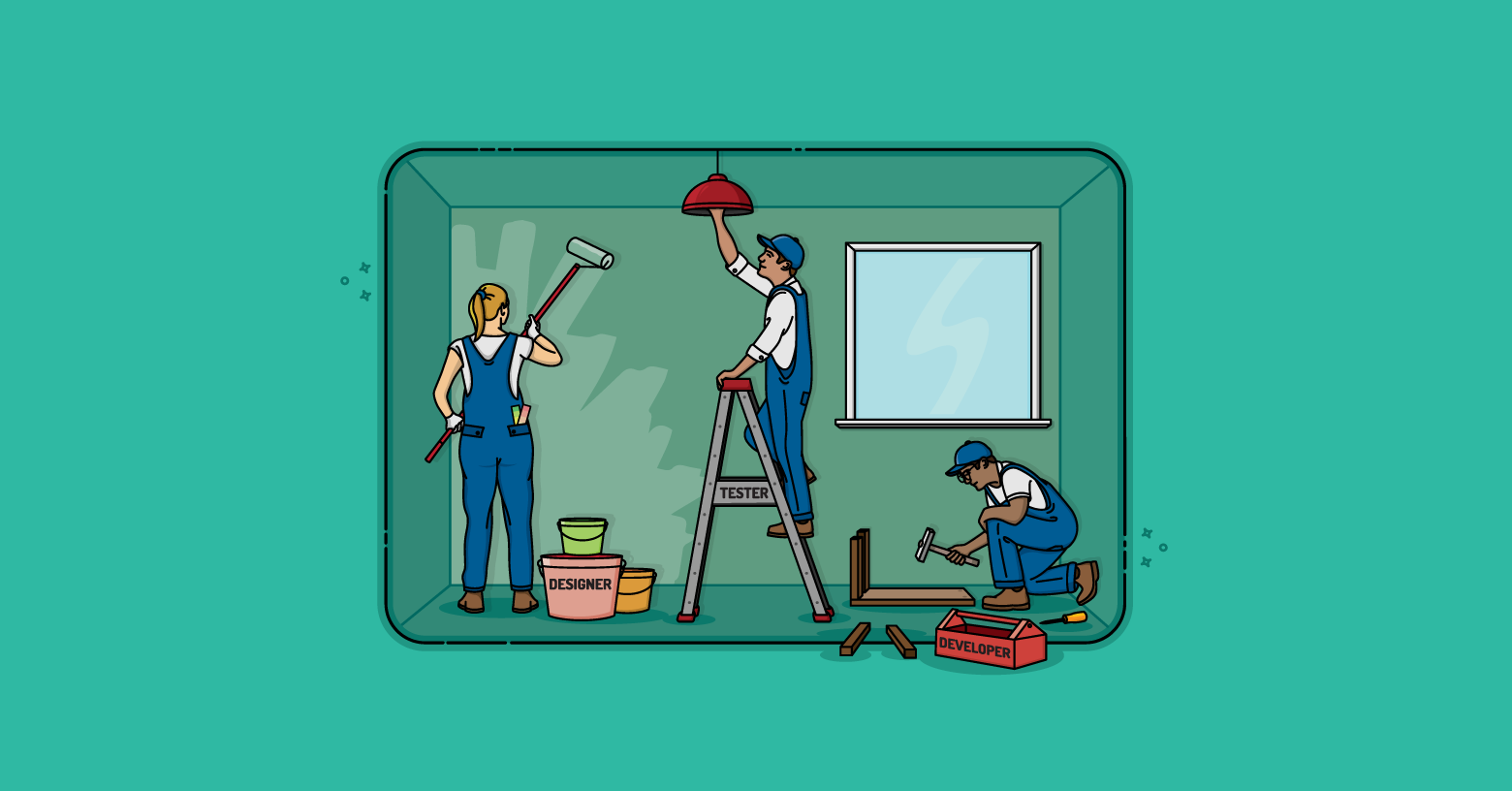
Useful when a team is working in short cycles but still doing analysis, design, coding, and testing as separate mini-phases.
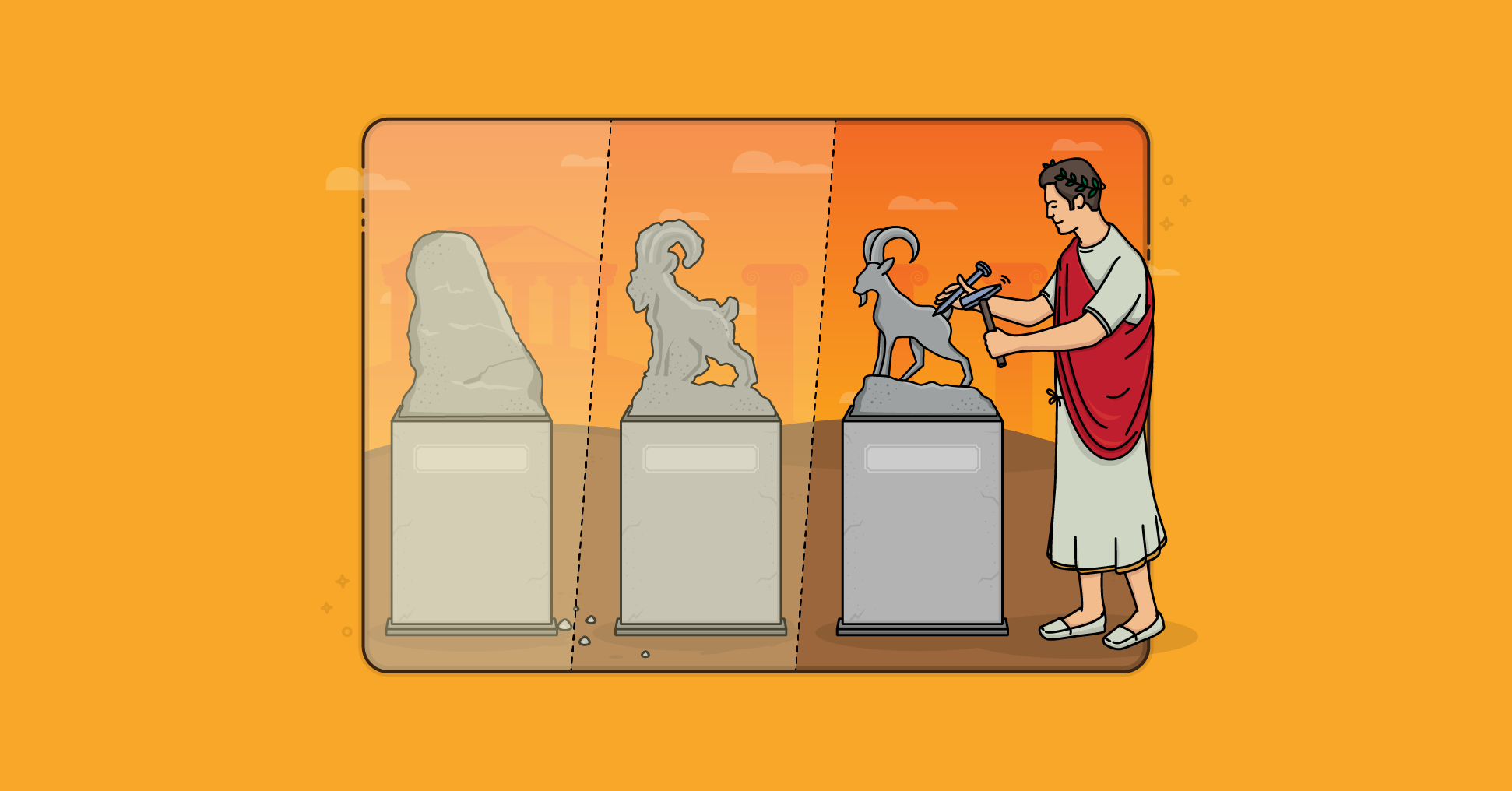
Useful for understanding why agile teams need both small additions of value and repeated improvement based on feedback.
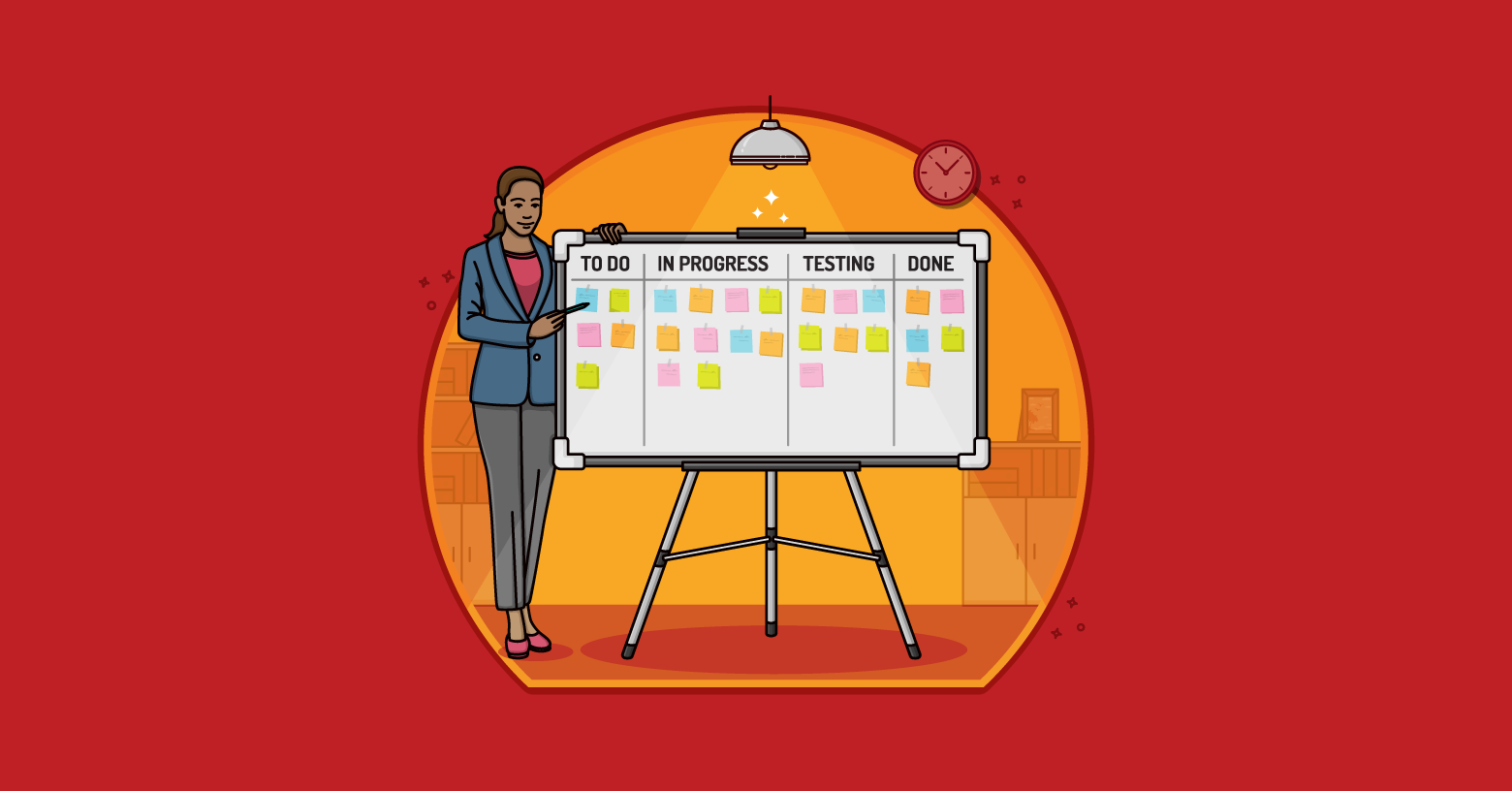
Useful when people assume Scrum is the only agile approach or the best approach for every team.