
Agile vs Scrum: What’s the Difference?
Agile and Scrum are related, but the words mean different things. That distinction confuses a lot of people at first because the words are often used as if they mean the same thing. Someone says the company is “going agile.” Someone else says the team is “doing Scrum.” A job posting asks for agile experience but lists Scrum Master responsibilities. A leader asks whether the team should use agile or Scrum, as if those are competing choices.
A better way to think about it is that agile is the broad category, and Scrum is one way to work within that category. A team can be agile without using Scrum, and a team can use Scrum without getting much agility from it. The difference matters because Scrum should help a team become more agile. When Scrum turns into meetings, roles, and rules without feedback or adaptation, the team may be following the framework without getting much benefit from it.
Who This Page Is For
This page is for anyone who is new to agile or Scrum and wants a clear starting point. It will be useful if you are joining a Scrum team, working with agile teams as a stakeholder, leading a team that is adopting Scrum, or trying to understand why people so often use agile and Scrum as if they mean the same thing.
What This Page Covers
This page explains what agile means, what Scrum is, why Scrum is one “brand” of agile, and how Scrum can help a team become more agile. It also explains why a team can follow Scrum mechanically without gaining much agility, and where to go next if you want to learn Scrum in more detail.
Agile Is the Broad Category
Agile is an approach to product development and project management based on delivering value in small pieces, learning from feedback, and adapting as understanding improves. Agile teams still plan. They still care about quality, deadlines, stakeholders, and results. What changes is how the team deals with uncertainty.
Instead of trying to predict every detail up front, agile teams make enough of a plan to begin. They deliver something useful, inspect what happened, and adjust based on what they learn. That is especially valuable when the work is complex, the right answer is uncertain, or customers and stakeholders will learn what they need only after seeing early versions of the product.
Agile is a family of approaches that share similar values and principles. Scrum is one of those approaches.
Scrum Is One Way to Be Agile
Think about buying a refrigerator. You walk into an appliance store and find the refrigerator section. Once you are there, you still have choices. You might buy a Whirlpool, Samsung, KitchenAid, Maytag, Bosch, or another brand. They are all refrigerators, even though each brand is different.
Agile works the same way. Agile is the refrigerator section. Scrum is one brand in that section. Kanban, Extreme Programming, Crystal, DSDM, Large-Scale Scrum, Disciplined Agile, and SAFe are other approaches teams may use to work in an agile way.
Scrum is popular, so many people encounter Scrum first. That is one reason agile and Scrum get confused. For many teams, Scrum is their first practical experience of agile. Scrum is one framework for helping teams work in an agile way.
What Scrum Adds
Scrum gives teams a lightweight structure for doing complex work. That structure includes a Scrum Team, a Product Owner, a Scrum Master, Developers, a Product Backlog, short cycles called Sprints, and events such as Sprint Planning, Daily Scrum, Sprint Review, and Sprint Retrospective.
Those pieces are intended to create regular feedback loops, not bureaucracy. The team plans a small amount of work, builds a usable increment, inspects the result with stakeholders, adapts the Product Backlog, and improves how it works. Then the team repeats the cycle.
Scrum can be helpful because it makes important things visible. It can reveal unclear priorities, weak product ownership, too much work in progress, late feedback, poor collaboration, or quality problems that were previously hidden. That visibility is not always comfortable, but it is useful. Once problems are visible, the team and organization can do something about them.
Scrum Is a Framework
Scrum is deliberately incomplete. That is one of the most important things to understand about it.
Scrum does not tell a team every practice it will need. It does not tell you exactly how to write Product Backlog items. It does not prescribe how to estimate. It does not tell an organization how to hire, promote, fund, structure departments, manage performance, or make every product decision.
Those things still matter. Scrum leaves room for each organization and team to add practices that fit their context. A Scrum team might use user stories, story splitting, Planning Poker, test-driven development, continuous integration, pairing, mobbing, Kanban boards, discovery practices, or other techniques. Some of those practices come from outside Scrum, but many are still very useful to Scrum teams.
That is part of the point. Scrum provides a small framework. Teams and organizations add the practices they need to make the framework work well.
Scrum Should Help a Team Become More Agile
Scrum is useful when it helps a team deliver value sooner, get feedback earlier, and adapt based on what it learns. The Daily Scrum should help Developers inspect progress and adjust their plan. Sprint Planning should help the team create focus. The Sprint Review should help the team learn from stakeholders. The Retrospective should help the team improve. The Product Backlog should help the Product Owner and team make better decisions about what to do next.
When those things happen, Scrum is helping the team become more agile. Without them, Scrum can become mechanical. The team has the meetings, the roles, the backlog, two-week Sprints, and a tool full of tickets, but it is not learning faster, making better tradeoffs, or delivering useful increments of product.
That is when people say, “We’re doing Scrum, but it doesn’t feel agile.” They may be right. Scrum should create transparency, inspection, and adaptation. If those are missing, the team should look beyond whether the Scrum events are happening and ask whether the events are doing their job.
Agile Without Scrum
A team can be agile without using Scrum. A Kanban team may visualize its work, limit work in progress, improve flow, and adapt based on feedback. A team using Extreme Programming practices may deliver in small increments, get frequent feedback, and maintain high technical quality. A team may use a hybrid approach that borrows from Scrum, Kanban, XP, and other approaches.
The name of the approach matters less than the behavior. Is the team delivering useful work in small pieces? Is it getting feedback early enough to matter? Is it adapting based on what it learns? Is it improving how it works? Is it making progress visible enough for good decisions?
Those are agile questions, and Scrum is one way to help a team answer yes to them.
Scrum Without Much Agility
A team can also use Scrum without becoming very agile. This happens when Scrum is treated as a checklist.
The team holds Sprint Planning, but plans too much work and treats the Sprint as a mini-waterfall. It has a Daily Scrum, but the meeting becomes a status report to the Scrum Master or manager. It holds Sprint Reviews, but stakeholders do not attend or the team only gives a polished demo. It holds Retrospectives, but nothing important changes. It has a Product Backlog, but the backlog is really just a storage place for requests.
That team may be using Scrum terminology, but the framework is not helping much. Scrum should create transparency, inspection, and adaptation. If those are missing, the team should not just ask whether it is “doing Scrum.” It should ask whether Scrum is helping the team become more agile.
Why People Confuse Agile and Scrum
People confuse agile and Scrum for understandable reasons. Scrum is widely used, and many organizations start their agile efforts by adopting Scrum. Scrum also has visible parts: roles, events, artifacts, and Sprints. Those parts are easy to name, schedule, and put into a tool.
Agile is broader and less concrete. It is easier to say, “We have Sprint Planning every two weeks” than to say, “We are improving how we deliver value through shorter feedback cycles and better adaptation.” So Scrum often becomes the visible face of agile.
That is fine as long as people remember the relationship. Scrum is a way to pursue agility, not a substitute for agility.
How to Decide What You Need to Learn Next
If you are new to agile and Scrum, start with the basic distinction. Agile is the broader way of thinking and working. Scrum is a specific framework that can help a team work that way.
If your team uses Scrum, learn the Scrum framework. Understand the roles, events, artifacts, and how Sprints create a feedback cycle. If your team uses Kanban, learn how flow, work-in-progress limits, and visualizing work help the team improve. If your organization says it wants to be more agile but has not chosen an approach, learn enough about agile to understand why feedback, adaptation, teamwork, and smaller increments matter.
Do not start by trying to memorize every term. Start by understanding the purpose. Agile helps teams learn and adapt. Scrum gives many teams a simple structure for doing that.
A Simple Comparison
| Question | Agile | Scrum |
|---|---|---|
| What is it? | A broad approach based on feedback, adaptation, collaboration, and delivering value | A lightweight framework for complex work |
| How specific is it? | Broad and flexible | More specific, with defined accountabilities, events, artifacts, and Sprints |
| Is it one method? | No. Agile includes many approaches | Yes. Scrum is one framework within agile |
| Does it prescribe roles? | Not by itself | Yes. Product Owner, Scrum Master, and Developers |
| Does it prescribe events? | Not by itself | Yes. Sprint Planning, Daily Scrum, Sprint Review, Sprint Retrospective, and the Sprint |
| Can a team be agile without it? | Yes | A team can be agile without Scrum |
| Can a team use it badly? | Yes | Yes. A team can follow Scrum mechanically without much agility |
Common Mistakes
Thinking Scrum Is the Goal
Scrum is a means to an end. The purpose of Scrum is to help a team deliver value, learn from feedback, adapt, improve, and create a better product. A team that follows Scrum perfectly but does not learn or adapt is missing the point.
Treating Agile as a Vague Label
Some organizations say they are agile because they want to sound modern, move faster, or avoid planning. That does not help. Agile should show up in how the team works: smaller increments, frequent feedback, collaboration, transparency, adaptation, and continuous improvement.
Choosing Scrum Because It Is Popular
Scrum is popular for good reasons. It gives teams a simple starting structure and creates a steady rhythm for feedback and improvement. Popularity is not enough. Choose Scrum because Sprints, clear accountabilities, a Product Backlog, and regular inspection and adaptation will help your team.
Treating Scrum as a Complete Process
Scrum will not give a team every practice it needs. Teams still need to learn how to split work, refine the backlog, estimate and plan, collaborate across skills, test effectively, make good product decisions, and improve technical practices. Scrum exposes the need for those practices. It does not fully define all of them.
Blaming Agile When Scrum Is Mechanical
Sometimes people say agile failed when what really failed was a mechanical implementation of Scrum. The team may have had the meetings and titles but not the feedback, ownership, product thinking, technical discipline, or leadership support needed to make the approach work. That distinction matters. If Scrum is not helping, ask what is missing before deciding agile itself is the problem.
Is Your Team Using Scrum to Become More Agile?
Use these questions to start a better conversation:
- Are Sprints helping the team get useful feedback sooner?
- Is the Sprint Review changing what the team learns or does next?
- Is the Product Backlog helping the Product Owner make tradeoffs?
- Are Retrospectives leading to real improvements?
- Is the Daily Scrum helping Developers adjust their plan?
- Is the team producing a usable increment each Sprint?
- Are stakeholders more aligned because of Scrum?
- Is the team adapting based on what it learns?
If the answer to most of these is no, the team may be using Scrum without getting much agility from it.
FAQ
Is Scrum the Same as Agile?
No. Agile is the broader approach. Scrum is one framework teams can use to work in an agile way.
Can You Be Agile Without Scrum?
Yes. Teams can be agile using Kanban, Extreme Programming practices, a hybrid approach, or another way of working that supports feedback, adaptation, collaboration, and delivery of value.
Can You Use Scrum Without Being Agile?
Yes. A team can hold Scrum events and use Scrum terms without getting much agility from the framework. Scrum should help the team inspect, adapt, and deliver value. If it does not, the team may be using Scrum mechanically.
Is Scrum a Methodology?
Scrum is better described as a framework. It gives teams a structure but does not define every practice the team will need.
Why Is Scrum So Popular?
Scrum gives teams a simple starting structure: a Product Owner, Scrum Master, Developers, Product Backlog, Sprints, and regular opportunities to inspect and adapt. That makes it easier for many teams to start working in a more agile way.
Should a New Team Start with Scrum or Kanban?
It depends on the work. Scrum is often useful when a team benefits from a Sprint Goal, short planning cycles, and regular product feedback. Kanban can be useful when work arrives continuously or improving flow is the main problem.
What Should I Learn First, Agile or Scrum?
Start by understanding agile at a high level: feedback, adaptation, collaboration, and delivering value in small increments. Then learn Scrum if your team uses it or if Scrum looks like a good framework for your work.
Agile Vs Scrum Resources
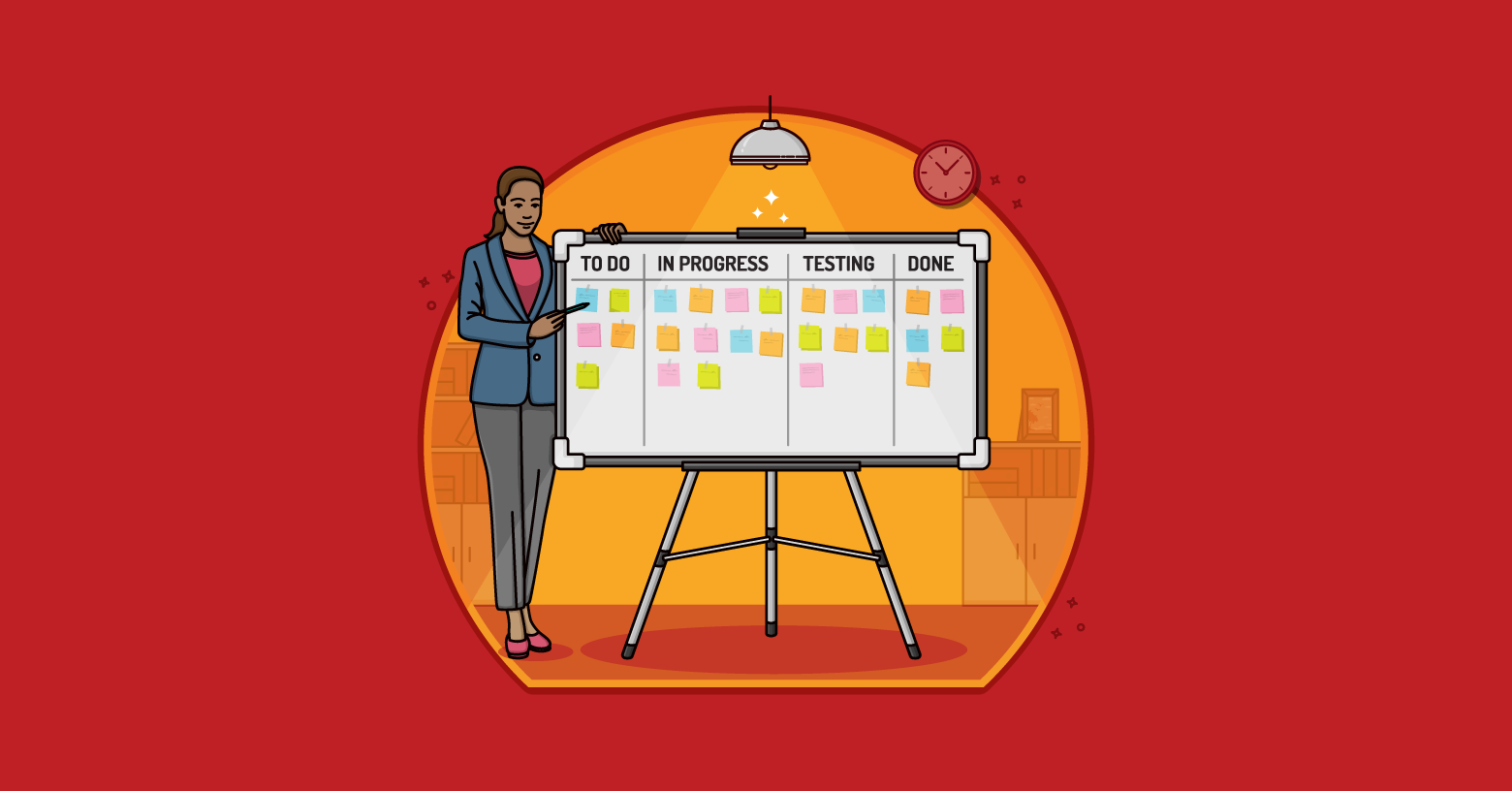
Useful when you are deciding whether Scrum is the right starting point or whether flow-based work would be better served by Kanban.
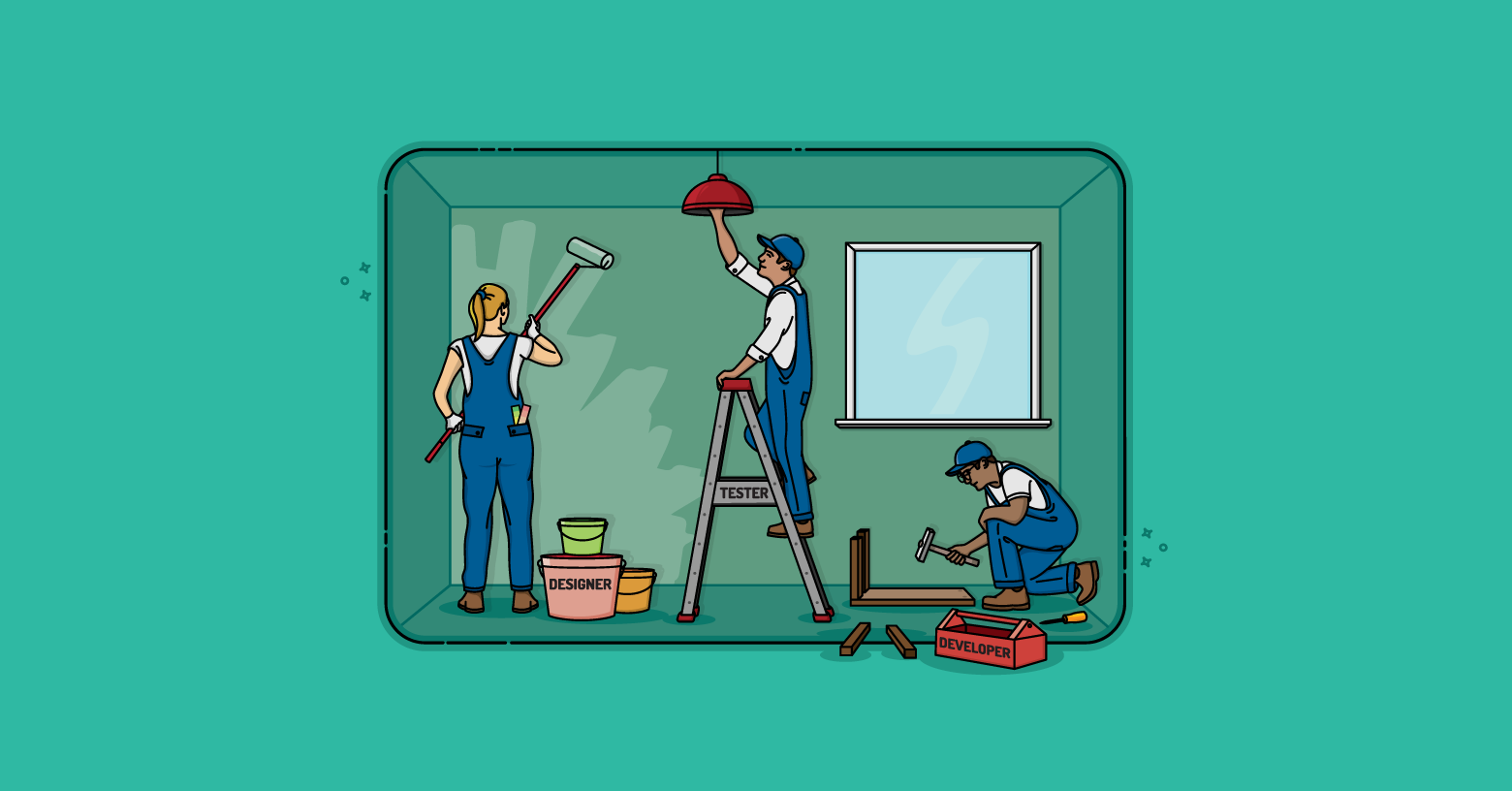
Useful when a team is working in short cycles but still doing analysis, design, coding, and testing as separate mini-phases.
Useful for clearing up beginner misunderstandings about agile, planning, managers, specialists, and change.