
Agile collaboration is the way a team works together to finish valuable work, learn quickly, and adapt as it goes.
It is more than good communication. It is more than being friendly. And it is definitely more than attending more meetings. Agile collaboration means people with different skills working together around shared goals, short feedback loops, and finished product backlog items.
Use this page to understand what agile collaboration is, how it feels on a strong team, what it looks like during a sprint, and how teams can improve collaboration without adding unnecessary process.
Who This Page Is For
This page is for people who want agile teams to work less through handoffs and more as one team.
It is especially useful for:
- Scrum Masters and agile coaches helping teams improve teamwork, ownership, and flow
- Product Owners who want better day-to-day collaboration with Developers and stakeholders
- Developers, testers, analysts, designers, and other specialists who want to collaborate earlier and finish work together
- Managers and leaders who want to support collaboration without turning teamwork into more status reporting
- Teams that are busy but still miss sprint goals, finish testing late, or rely too much on handoffs
What Is Agile Collaboration?
Agile collaboration is the practice of working together effectively within an agile framework, such as Scrum, to achieve shared goals.
On an agile team, collaboration is not limited to a meeting, role, or phase of work. It happens when team members discuss examples early, split work smaller, test sooner, integrate frequently, adjust scope with the Product Owner, and help one another finish product backlog items.
Traditional work often moves through functional steps. Analysts analyze. Designers design. Programmers code. Testers test. Someone else integrates or releases. Each person may do high-quality work, but the product backlog item still moves slowly because understanding is transferred through handoffs.
Agile collaboration works differently. The people needed to finish the work stay connected while the work is still flexible. They learn together and act on that learning quickly.
The question changes from, “Did I finish my part?” to “What does this item need next?”
Agile Collaboration Is Not More Meetings
Many teams try to improve collaboration by adding meetings. Sometimes a meeting helps. Often it does not.
Agile collaboration is not:
- More status meetings
- Everyone attending every conversation
- Consensus on every decision
- A replacement for clear accountabilities
- A reason to interrupt people constantly
- A way to make every decision take longer
Good collaboration usually reduces the need for long meetings because the team is already sharing information in smaller, more useful ways.
When people collaborate throughout the day, the Daily Scrum can focus on adjusting the plan. Sprint Planning can focus on the goal and tradeoffs. The Sprint Review can focus on feedback. The Retrospective can focus on real improvement rather than rediscovering problems everyone already knew about.
Collaboration should make work flow better. It should not create a second layer of work about the work.
How Agile Collaboration Feels
A strong agile team has a rhythm.
People still disagree. Work still gets hard. Not every day is smooth. But when collaboration is working, the team has a sense of shared movement.
You can often feel it in small ways:
- People notice when someone is stuck.
- Questions are asked before assumptions harden.
- Testing starts before the end of the sprint.
- The Product Owner is available for tradeoff conversations.
- Team members help finish work that is close to done.
- Specialists are involved early rather than waiting for handoffs.
- Meetings are shorter because people are already current.
- The team adjusts together instead of protecting individual task lists.
The team is not simply a group of people working near one another. It is a group of people moving work forward together.
Collaboration Happens Throughout the Sprint
Collaboration is not something agile teams save for Sprint Planning, the Daily Scrum, Sprint Review, or Sprint Retrospective.
Those events create useful moments for alignment, inspection, and adaptation. But the real collaboration happens throughout the sprint.
Strong teams avoid the pattern of doing most analysis first, most programming next, and most testing at the end. That pattern creates a mini-waterfall inside the sprint. It also delays feedback until the team has little time left to act on it.
Instead, agile teams look for ways to do a little bit of everything all the time.
They may:
- Clarify examples while work is being designed
- Test partial functionality before the whole item is complete
- Automate checks as functionality is built
- Review designs before implementation is locked in
- Ask the Product Owner about tradeoffs while scope is still flexible
- Integrate small pieces frequently
- Pair across skills when a backlog item is at risk
- Finish smaller product backlog items earlier in the sprint
This does not eliminate all sequencing. Some work naturally comes before other work. But strong agile teams shorten the distance between learning and acting.
A useful sprint question is: What can we finish sooner so we can learn sooner?
Collaborate Around Product Backlog Items
Agile collaboration is strongest when the team collaborates around product backlog items, not individual tasks.
Tasks are useful. They help the team think through the work. But a task is not the real unit of value. A finished product backlog item is.
A programmer who says, “I finished my tasks,” while the team misses the sprint goal has missed the point. The team did not commit to individual task completion. The team committed to delivering valuable work that meets the Definition of Done.
A team with strong collaboration keeps asking:
- What is closest to done?
- What is blocked?
- What needs feedback?
- What can we simplify?
- Who needs to be involved now?
- What would help us finish this item?
Good collaboration focuses attention on the flow of valuable work.
Small Handoffs Beat Big Handoffs
Some handoffs are unavoidable. But agile teams make handoffs smaller, more frequent, and less formal.
A large handoff happens when one person or group finishes a big chunk of work and passes it to someone else with limited shared context. The receiving person then discovers gaps, questions, assumptions, and defects. The work moves backward or waits.
A small handoff happens when people stay close enough to the work that transfer is almost invisible.
For example:
- A tester reviews examples with a programmer before implementation.
- A designer checks an interaction before the team builds the wrong thing.
- A Product Owner answers a tradeoff question before the team overbuilds.
- A developer and database specialist pair on the risky part, then review the rest later.
- A team member adds a partially completed item to the build so feedback can begin sooner.
Small handoffs work because they preserve context. They reduce waiting. They let the team correct course while the cost of change is still low.
Collaboration Depends on Shared Ownership
Agile collaboration requires shared ownership.
Shared ownership does not mean everyone does every job. It means everyone cares about the team’s result.
Without shared ownership, people optimize for their own work. With shared ownership, people still respect specialized skills and accountabilities, but they also look for ways to help the whole item move forward. They swarm when necessary. They adjust the plan when they learn. They make tradeoffs visible. They treat unfinished work as a team problem.
The question changes from “Am I done?” to “Are we done?”
Collaboration Needs Clear Accountabilities
Collaboration works best when accountabilities are clear.
Clear accountabilities make collaboration easier. The Product Owner guides value and ordering, Developers create the Increment, and the Scrum Master helps the team improve its effectiveness.
Those accountabilities should not prevent collaboration. They should make collaboration easier.
For example:
- Developers can help refine product backlog items, but the Product Owner remains accountable for ordering the Product Backlog.
- The Product Owner can discuss scope tradeoffs, but Developers remain accountable for the quality of the Increment.
- The Scrum Master can coach the team through collaboration problems, but the team still has to own its working agreements.
- Specialists can guide decisions in their areas of expertise, but the team still works together to finish the item.
Clear accountabilities prevent collaboration from becoming role confusion.
Collaborate Before Certainty
Many teams wait too long to collaborate.
They wait until the requirements are complete. They wait until the design is done. They wait until coding is finished. They wait until testing can begin. They wait until the Sprint Review to ask for feedback.
Agile teams collaborate before certainty.
That does not mean starting work with no understanding. A product backlog item needs enough clarity that the team can reasonably bring it to done within a sprint. But it does not need every detail fully specified before the sprint starts.
Some details are best discovered during the work. Collaboration is how agile teams replace false certainty with fast learning.
Collaboration Improves Planning and Feedback
Planning is more effective when it is collaborative.
In weak planning conversations, someone asks for a date, someone else produces an estimate, and everyone treats the answer as a promise. That creates pressure, defensiveness, and hidden risk.
In better planning conversations, the team treats the plan as a shared problem. The Product Owner explains the goal. Developers discuss uncertainty and options. Specialists identify risks. The team looks for smaller slices. Leaders clarify constraints. Everyone explores tradeoffs among scope, time, cost, quality, and learning.
Collaboration also helps teams get feedback sooner. A test exposes an assumption. A stakeholder reacts to a working feature. A user struggles with a design. A developer discovers a technical constraint. The sooner the team gets feedback, the more options it has.
Collaboration in Distributed Teams
Distributed teams can collaborate well, but they need to be more deliberate.
Collaboration suffers when decisions happen in private messages, side conversations, or meetings that not everyone can attend. People lose context. Work waits. Trust erodes because team members do not know why decisions were made.
Distributed collaboration improves when teams make agreements explicit, keep work visible, make important decisions findable, and protect enough overlap time for real conversation.
Common Agile Collaboration Problems
The Team Works Through Handoffs
When work moves from one specialty to another, learning happens late. Bring the right skills into the conversation earlier. Split work smaller. Test sooner.
Collaboration Happens Only in Meetings
Scrum events are important, but they are not the only place collaboration should happen. Encourage quick working conversations, pairing, small design discussions, and visible decision-making.
People Optimize for Individual Tasks
A team can look productive while still missing its sprint goal. Strong teams focus on finishing product backlog items, not protecting individual task lists.
Testing Happens Too Late
Late testing creates late learning. Involve testers earlier. Discuss examples before coding. Automate where useful. Test partial functionality when possible.
The Product Owner Is Too Distant
A Product Owner does not need to answer every question instantly. But if the team regularly waits for product decisions, collaboration suffers.
Specialists Become Bottlenecks
Specialists are valuable. Bottlenecks are not. Use pairing, review, cross-training, and earlier involvement to help specialists contribute without becoming the only path to progress.
Distributed Decisions Disappear
Distributed teams do not need to document everything, but they do need to make important decisions visible to the people affected by them.
Leaders Ask for Collaboration but Remove Authority
Teams cannot collaborate effectively if every meaningful decision requires outside approval.
Is This Team Collaborating Well?
Use these questions to find the next improvement conversation.
- Does the team understand the shared outcome it is working toward?
- Are team members focused on finishing product backlog items, not just individual tasks?
- Are the right skills involved early enough?
- Are testing, review, and feedback happening throughout the sprint?
- Is work split small enough that the team can finish and learn sooner?
- Are handoffs small and frequent rather than large and late?
- Does the Product Owner collaborate with the team on tradeoffs?
- Are specialists helping the team move work forward rather than becoming bottlenecks?
- Are important decisions visible to everyone affected by them?
- Does the team improve how it collaborates over time?
This is not a scorecard. Use it to notice where collaboration is breaking down and where a small change could help the team finish more valuable work.
FAQ
What Is Agile Collaboration?
Agile collaboration is the practice of working together to achieve shared goals, finish valuable work, and learn quickly. It includes frequent communication, shared ownership, early feedback, and collaboration across skills.
Why Is Collaboration Important in Agile?
Collaboration helps teams reduce handoffs, discover problems earlier, make better tradeoffs, and deliver valuable work sooner. Without collaboration, agile teams often fall back into role silos and late feedback.
Is Agile Collaboration the Same as Communication?
No. Communication is part of collaboration, but collaboration goes further. Collaboration means people use communication to solve problems together, make decisions, and move work toward done.
Does Collaboration Mean Everyone Works on Everything?
No. Collaboration does not erase specialization. The goal is for team members to help one another finish valuable work, not for everyone to become interchangeable.
How Do Agile Teams Collaborate During a Sprint?
They discuss examples early, split work smaller, test sooner, integrate frequently, ask product questions before assumptions harden, and help one another finish product backlog items.
How Can a Product Owner Improve Collaboration?
A Product Owner improves collaboration by clarifying goals, staying available for tradeoff conversations, helping split work, answering questions, and making ordering decisions visible.
How Can a Scrum Master Improve Collaboration?
A Scrum Master helps the team notice collaboration problems, improve working agreements, remove impediments, and use Scrum events for inspection and adaptation.
How Do Distributed Agile Teams Collaborate Well?
Distributed agile teams collaborate well by making work visible, making decisions explicit, creating enough overlap for real conversation, and avoiding important decisions in private channels.
Agile Collaboration Resources
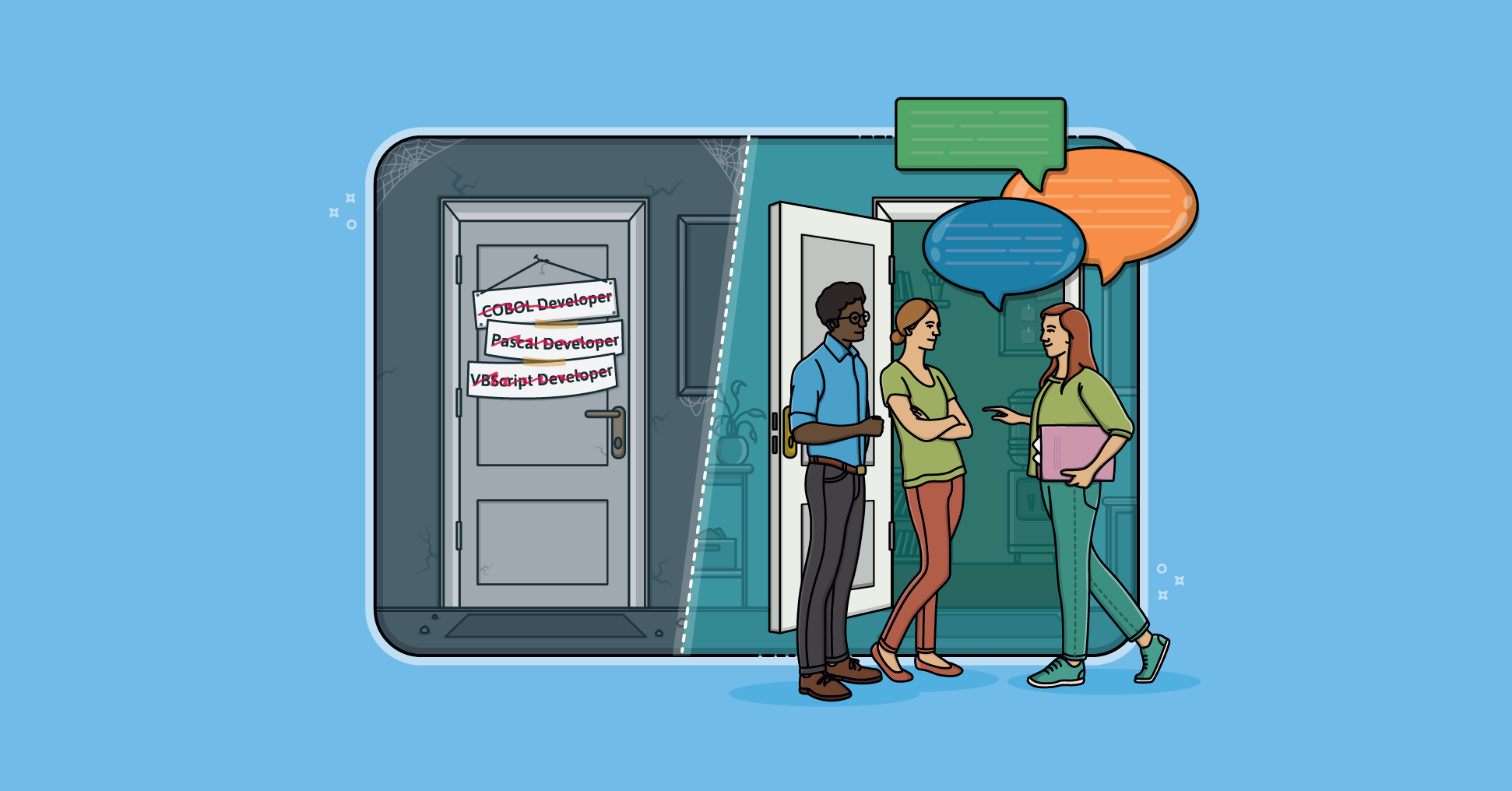
Technical skills matter, but collaboration, facilitation, empathy, and decision-making help teams perform when pressure increases.
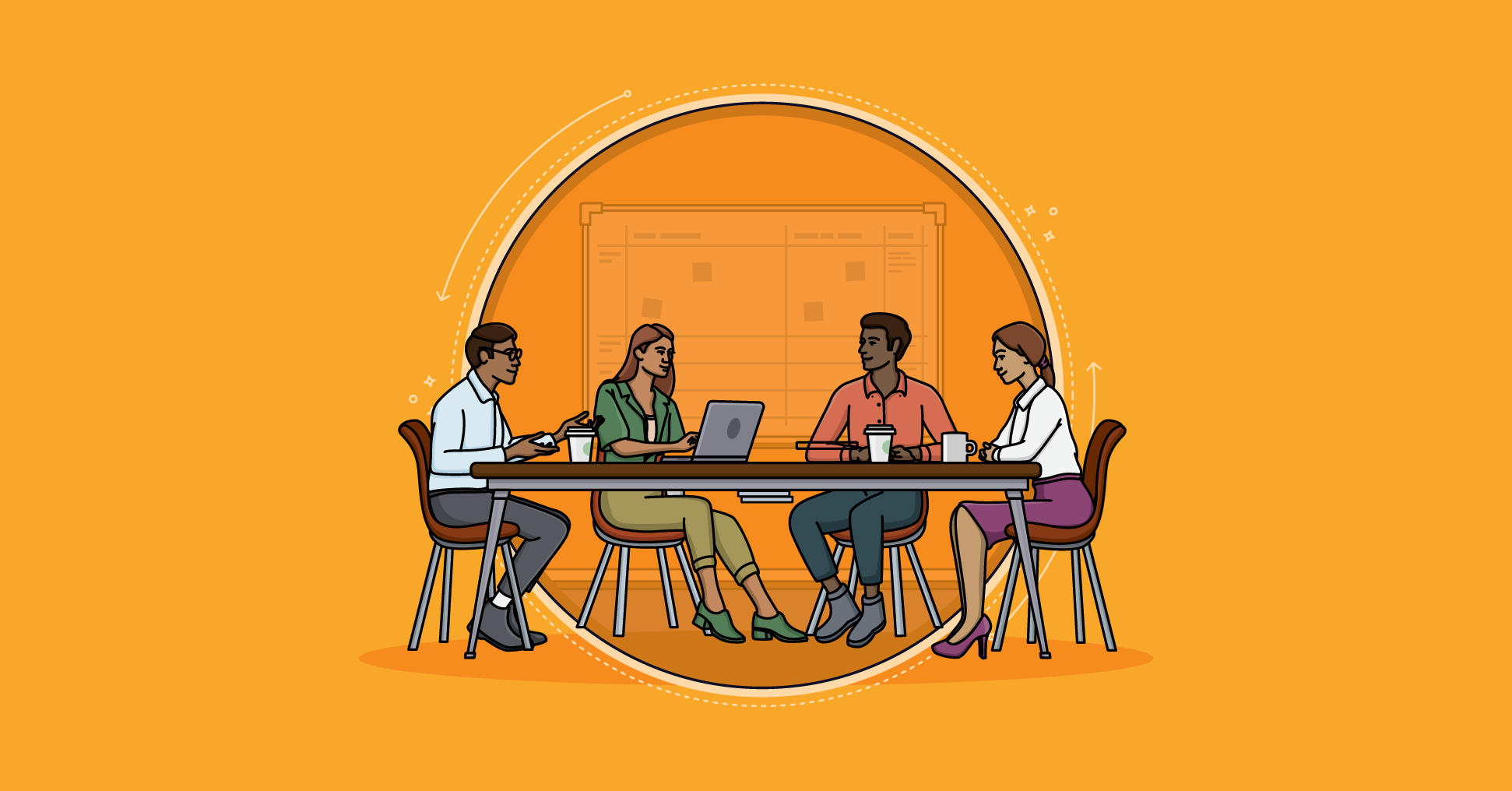
A useful article on why diverse thinking, shared purpose, and collaboration matter for innovative teams.
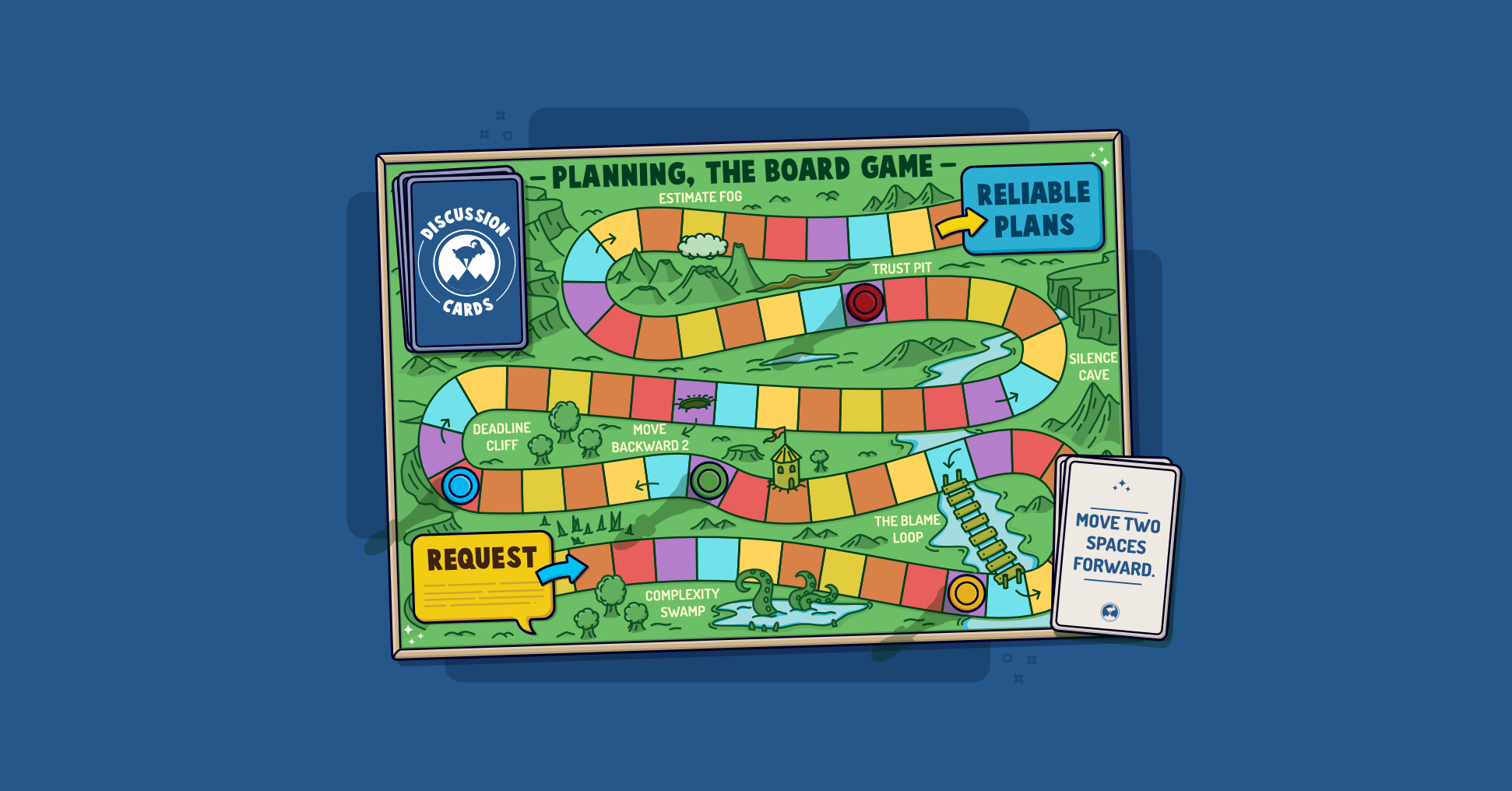
Planning improves when leaders and teams treat a request for features by a date as the start of a conversation, not the end of one.