
The Mountain Goat Software Blog
Blog articles
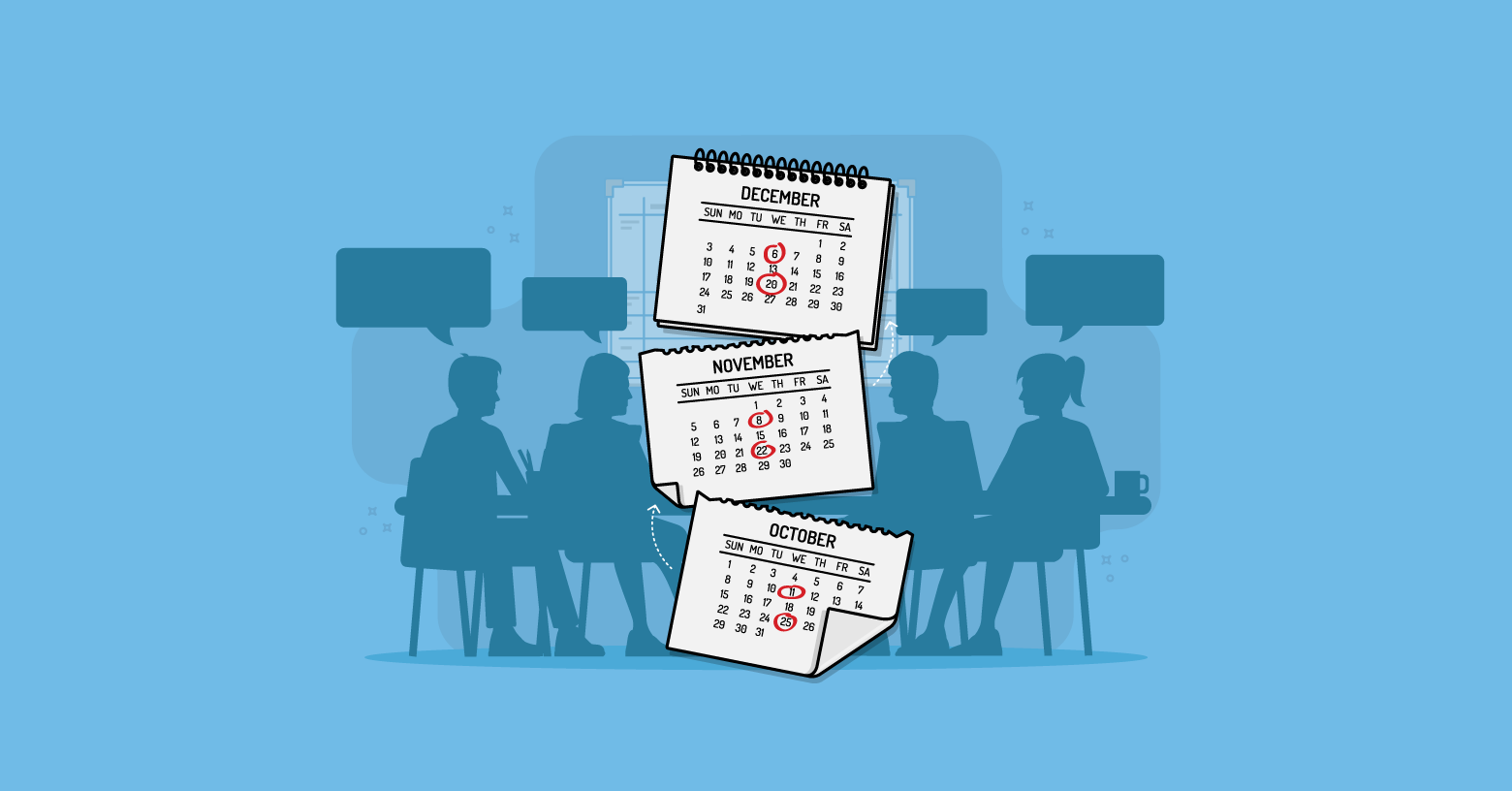
Succeeding with Scrum is easier when you know when and why to conduct each of the Scrum events during the sprint.

Story points are perhaps the most misunderstood topic in agile. Story points are not based on just one factor--such as complexity, as is often mistakenly claimed. Instead, story points are based on a combination of factors.

Story points are about time, specifically effort. But that does not mean you should say, “One story point = eight hours.” Find out why.

When writing user stories, how should agile teams handle non-functional requirements—desired product attributes or characteristics? Get the answers you need in this blog post from Mike Cohn.
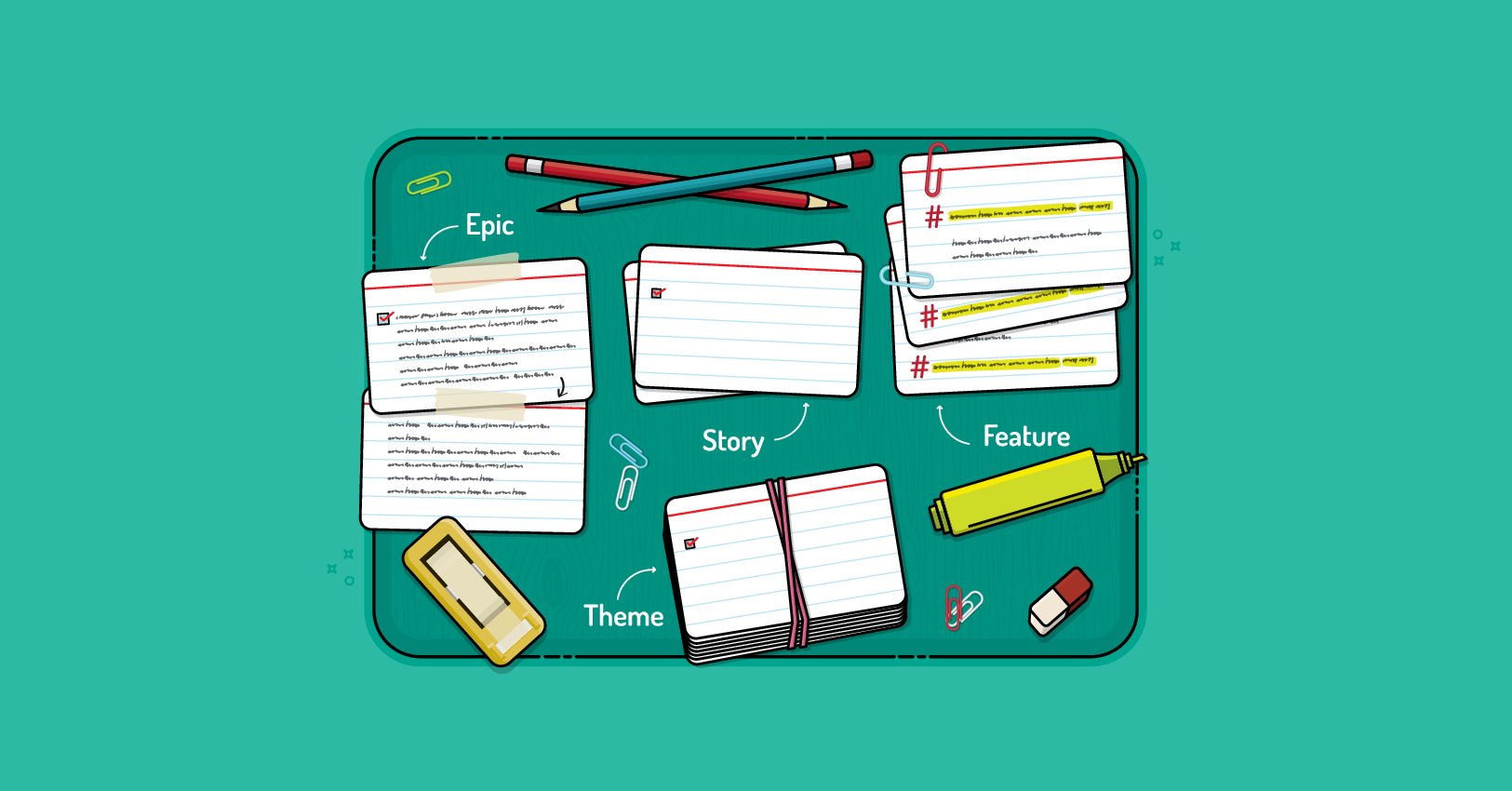
I've been getting more and more emails lately from people confused about the difference between "user stories", "epics" and "features." So I thought this month we'd return and cover some basic--but very helpful--territory by explaining those terms. First, the terms don't matter that much. These are not terms with important specific meanings like "pointer" to a programmer or "collateralized debt obligation" to whomever it is that's important.

Transitioning to Scrum is worth it, but some aspects are challenging.
Extreme programming introduced the practice of expressing requirements as user stories. A user story is a…

If you’ve estimated with Planning Poker, you may very well have used cards with either the FIbonacci sequence, or a modified Fibonacci sequence.

Scrum Masters and product owners can develop a habit of making statements rather than asking questions. Here are some great questions to ask your team instead.

What does a good project manager need to do to become a great Scrum Master?
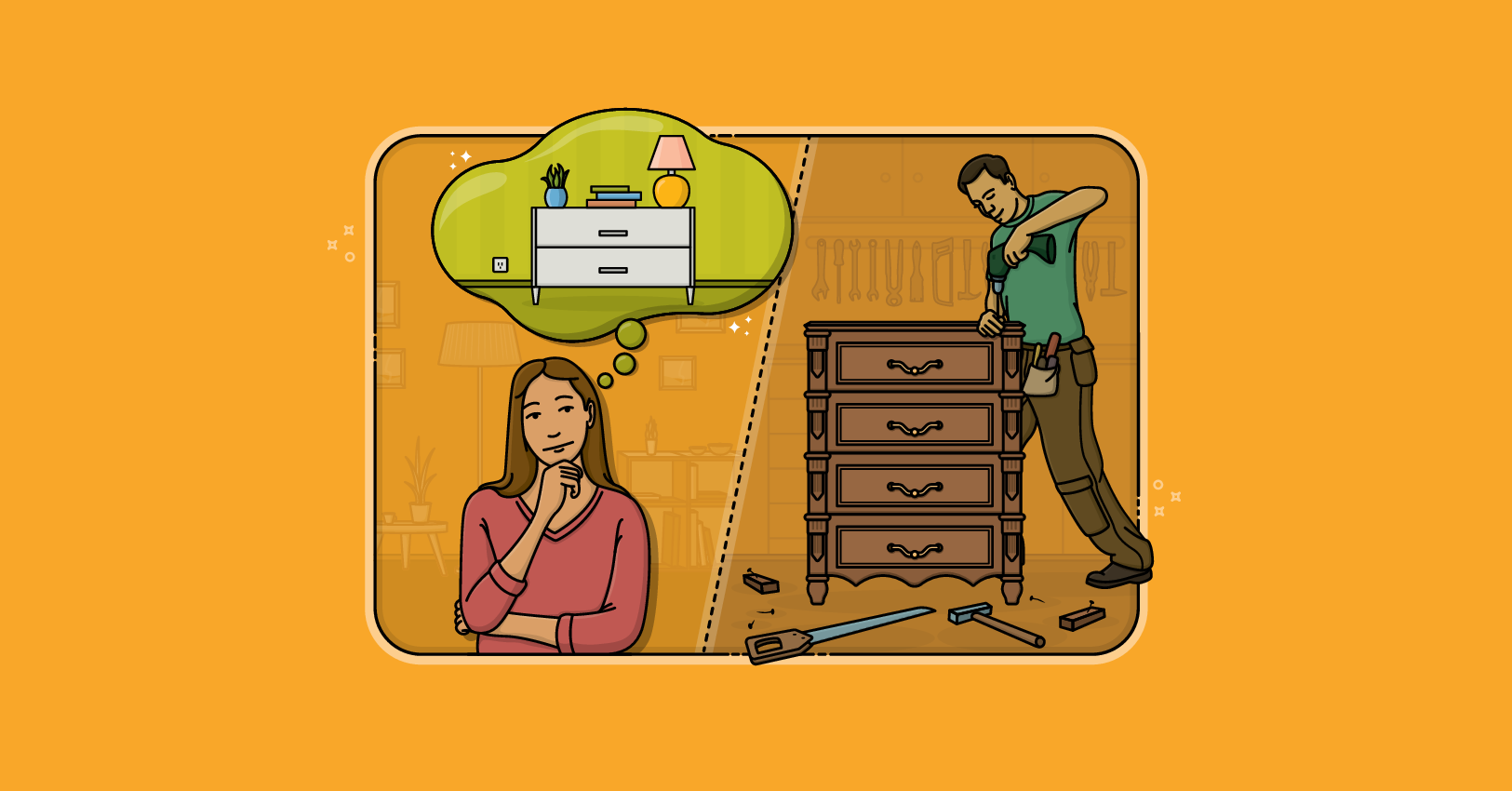
Here’s how to get the rapid feedback you need to ensure you build the right product.
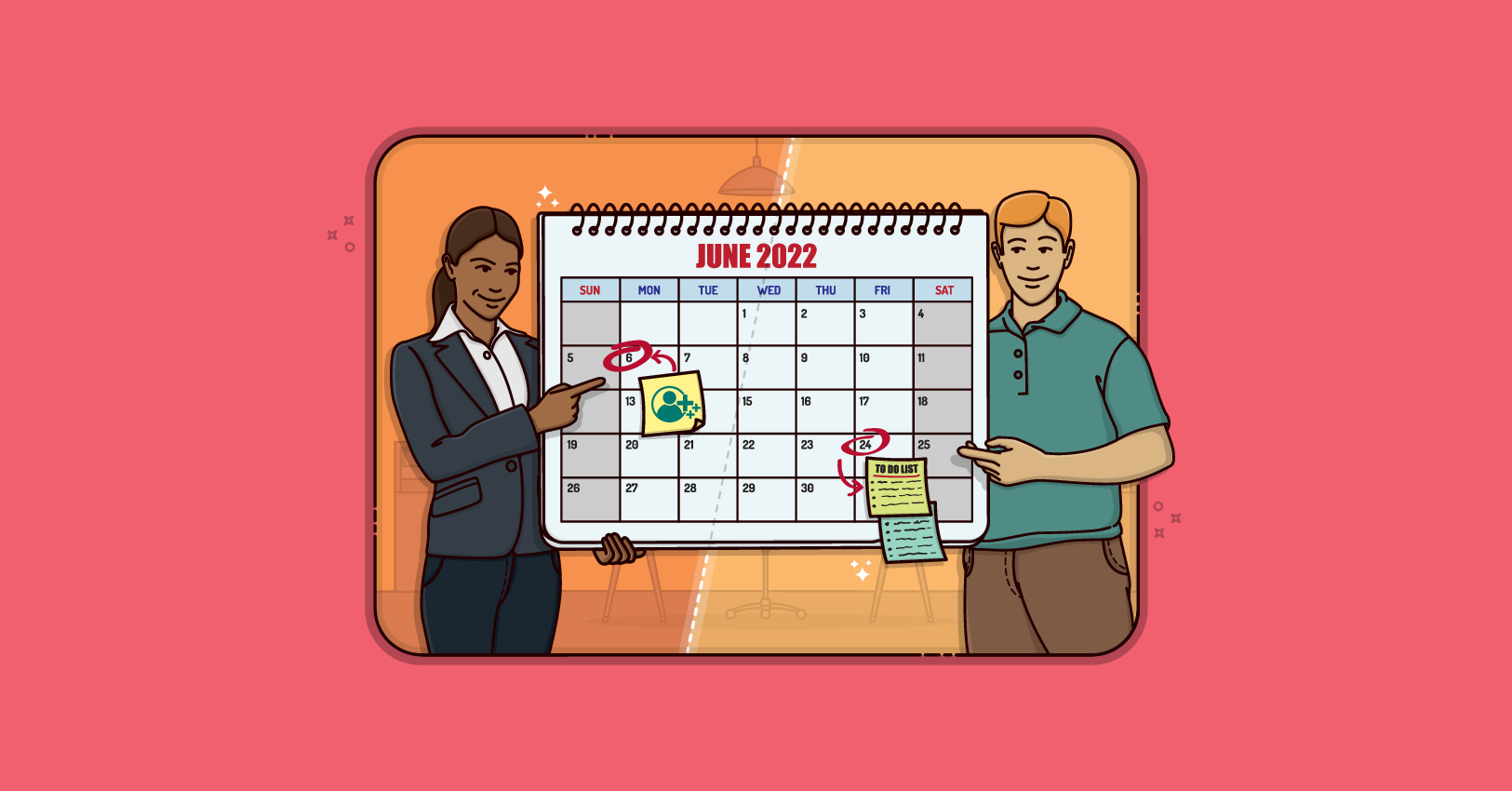
The best plans are created by developers and stakeholders working together.