
The Mountain Goat Software Blog
Blog articles
Does Scrum work if you don’t have a Scrum Master? What about sprints? Estimates? And so on? Discover what you can, and cannot, live without in Scrum.
With many competing pulls on their time, product owners can be hard to catch during a sprint. Learn how to help harried product owners seize opportunities to inspect and adapt outside the sprint review.
While the demo itself is the most prominent part of a sprint review, running an effective review requires more than that. Get this handy agenda for comprehensive sprint reviews.

There’s much more to a sprint review than just a demo. Discover the purpose of a sprint review and why calling it a demo is a bad idea.
Are your teams haunted by horrible daily scrums? Are team members suppressing screams of frustration as one person drones on and on? Or maybe standing like zombies waiting to give a robotic response? If so, don’t despair. Learn how to turn a grim meeting into an energetic sync.
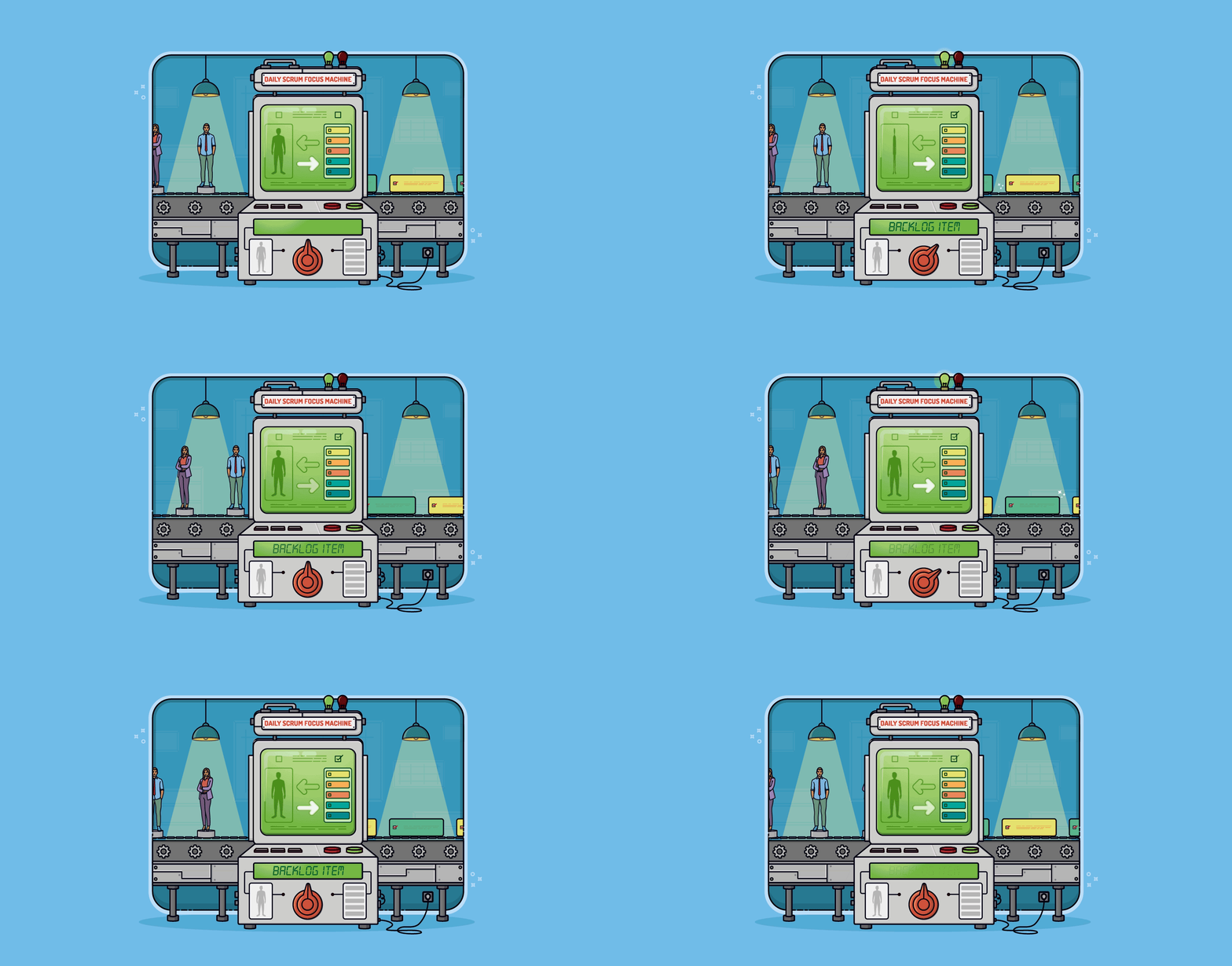
If team members are only going through the motions, you're probably doing daily scrums wrong. Discover a more effective way to approach daily scrums with your teams.

Too many daily scrums are status meetings instead of a time for team members to share plans, progress, and problems with one another. Learn why and what you can do about it.

As teams progress with Scrum, they can (and should) experiment with changes to their approach. But not at first. Learn more.
What are the danger signs that sprint planning is a struggle for your teams? And how can you turn it around? Find out in this video blog.

Is product owner the right role for you? Discover 4 skills product owners need, 5 popular paths to product owner, and 4 questions to ask yourself when considering the job.

As Scrum teams have moved to shorter sprints, have they also lost the extra time to experiment freely? What can we do to reignite a spirit of innovation?

To be effective, a Scrum Master has a right to expect at least three things from their company culture. Find out what those are.