
The Mountain Goat Software Blog
Blog articles

Some teams like story points so much, they invent task points and use those for sprint planning. Bad idea. Here’s why.

A rose by any other name may smell as sweet, but a five-point story better not go by any other names. Or numbers. Here’s how to maintain consistency across estimates.

Although you may wish it weren’t the case, some Scrum Masters need to document how a sprint went. Here’s advice on how to do that in a lightweight, agile manner.

A couple of weeks ago, I participated in a painful sprint planning meeting. You might have been in the same type of meeting. The team was going to great lengths to identify every task they'd need to do in the sprint. And they were debating endlessly over the precise number of hours each task would take. That level of detail is not necessary.

Splitting stories has long been one of the biggest challenges facing agile teams. Here are some examples of splitting some reporting stories to demonstrate ways of splitting stories.

There are, of course, a variety of ways to go about planning a sprint. I’ve written previously about velocity-driven sprint planning and capacity-driven sprint planning and my preference. But regardless of which approach a team takes to sprint planning, there is also the question of how full to fill the sprint.
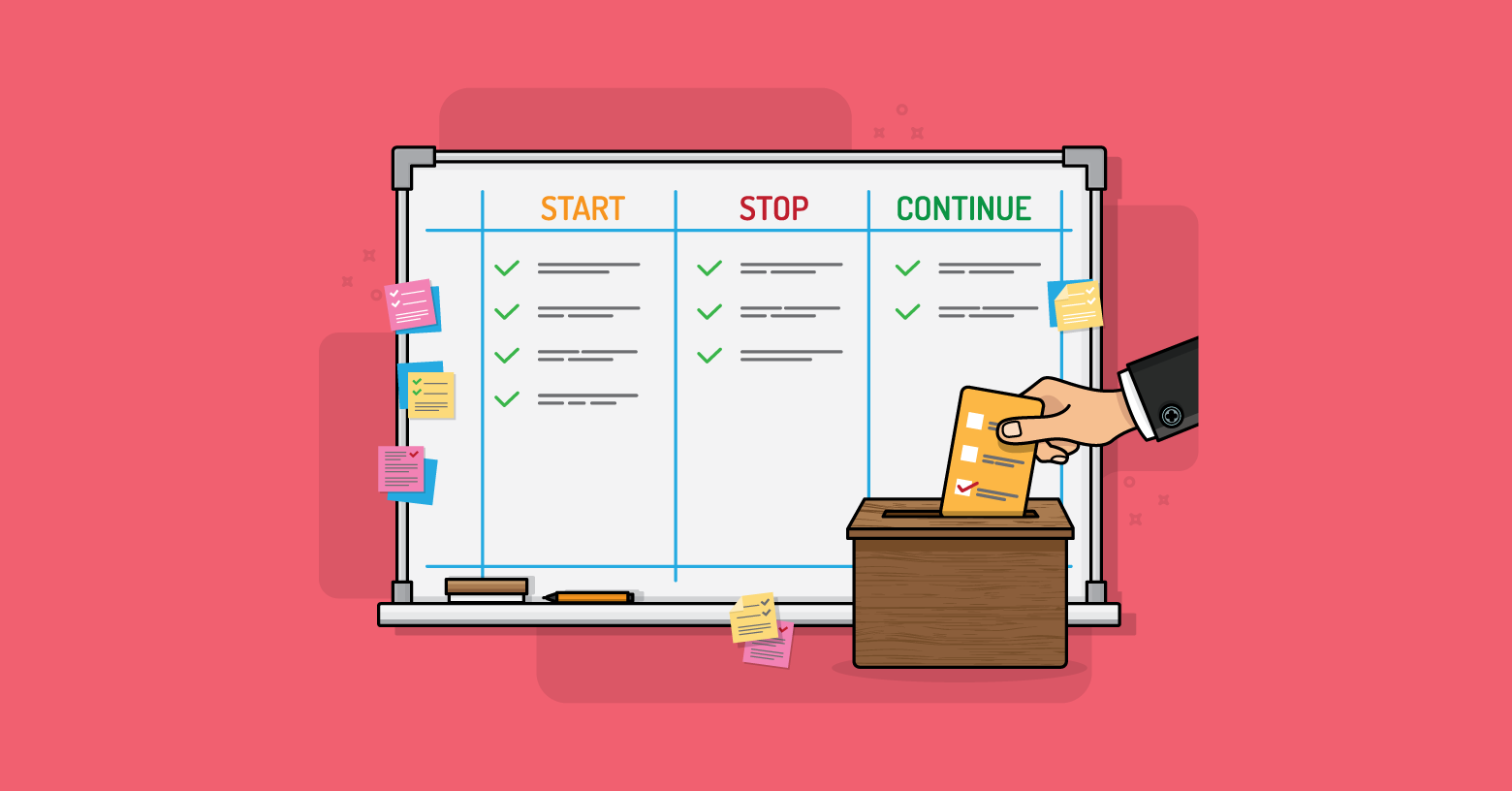
There are many ways you can run a sprint retrospective. Here’s the simplest way and still my favorite.

Conventional wisdom says that a team should do a retrospective every sprint. But if your sprints are one week, can you do them every few sprints? That would still be more often than a team doing four-week sprints.

A lot of traditionally managed projects begin with a Software Requirements Specification (SRS). Then sometime during the project, a decision is made to adopt an agile approach. And so a natural question is whether the SRS can serve as the newly agile project's product backlog. Some teams contemplate going so far as rewriting the SRS into a product backlog with user stories. Let's consider whether that's necessary. But before taking up this question, I want to clarify what I mean by a Software Requirements Specification or SRS. I find this type of document to vary tremendously from company to company. In general, though, what I'm referring to...
I'm occasionally asked about the merits (and whether there are any) of putting an estimate of zero on user stories. You may have noticed that our decks of Planning Poker cards include a zero card. So, what's the logic behind a zero-point card? Remember that story points are...

Early in my career, I noticed the project managers in my company drove nicer cars than we programmers did. (This was back before companies had learned to fully value their technical staff.) After a few years of noticing those nicer cars, I asked my boss what I needed to do to become a project manager. He told me, "When you start acting like a manager, I'll make you a manager." This advice wasn't unique...

My wife, daughters and I use Wunderlist to manage our shared grocery list. Any time one of us notices something we're out of, that person adds it to the grocery list. Then, whoever is taking their turn at doing the weekly grocery shopping checks items off the list while in the store. It works really well. I’m thinking about...